Flood Damaged Cars: Worth Repairing or Better to Sell?

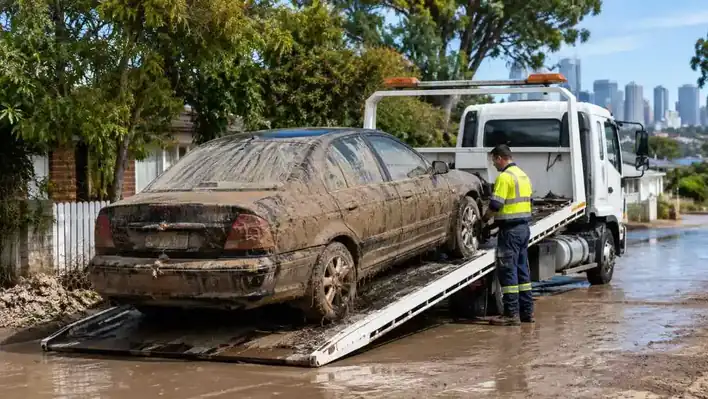
Flood damaged cars can sometimes be repaired, but many cost more to fix than they are worth once hidden problems are counted. The answer depends on how high the water rose, how long the car sat in it and what your insurer decides. This guide covers what water does to a car, what to do first, and when selling it as-is makes more sense.
If repair does not look realistic, AH Car Removal offers flood damaged car removal with free pickup, and we service Greater Sydney. Read on first, because the right choice is rarely clear on day one.
What floodwater does to a car
Floodwater is harder on a car than most other damage. Water gets into places that were never designed to get wet, and it often carries silt and dirt with it. Water damage to cars is also slow to show, so the worst effects can appear weeks or months later.
Electrics and sensors
Modern cars depend on wiring, control modules and sensors. Many of these sit under the seats, behind the dash and along the floor, which is exactly where water collects. Moisture corrodes connectors and contacts. A car can seem fine after drying out, then develop warning lights, dead windows or faults that come and go.
Engine and transmission
If water enters the air intake, it can bend internal engine parts, because water does not compress the way air does. Starting the engine at that point can turn a repairable problem into a ruined engine. Water can also contaminate engine oil, gearbox fluid and differential oil, and milky or frothy oil is a clear warning sign.
Interior, mould and corrosion
Carpet, underlay, seat foam and door trims soak up water and dry slowly. Trapped moisture leads to mould and a musty smell that can survive a deep clean. Meanwhile, hidden metal such as seat rails, floor seams and brake parts can start to rust over the following months.
Salt water versus fresh water
In general, salt water is more corrosive than fresh water, and it tends to cause faster rust and electrical corrosion. Fresh floodwater is still a problem because it usually carries mud and contaminants. Either way, water damaged vehicles need a proper inspection, not just a dry-out.
First steps if your car has been in a flood
Your first actions can protect both your safety and your insurance claim. Work through these steps in order.
- Do not start the engine, and avoid turning the ignition on. Running a wet engine is the quickest way to make the damage worse.
- Stay out of floodwater. It can hide hazards and carry contamination, so wait until the water has gone down and the area is safe.
- Take photos and video of the water line, the interior, the dashboard, the odometer and the surroundings. Note the date and time.
- Contact your insurer as soon as you can, and ask what they need from you before the car is moved.
- Disconnect the battery only if it is safe and you are not standing in water. If you are unsure, or the car is a hybrid or electric vehicle, leave it to a professional.
- Dry the interior by opening the doors, removing wet floor mats and loose items, and letting air flow through. Do not drive the car. If it must move, use a tow truck.
If it will not start and you are unsure of the next move, read what to do with a non-running car.
Flood car repair: what affects the cost
No one can give a fair flood damage car repair cost until the car has been inspected, and even then the number can move. These are the main factors.
- Water level: water that stayed below the sills is a very different job from water that reached the seats or dashboard.
- Time submerged: the longer the car sat in water, the longer moisture had to reach electrics and corrode parts.
- Salt or fresh water: salt water tends to cause more corrosion.
- The car’s age and electronics: newer cars have more modules, sensors and wiring to test or replace, while an older car may be worth less than the repair.
- Whether the engine was started: running a wet engine can add major mechanical damage.
Repair costs can also climb after the first assessment. Once a repairer removes the seats, carpet and trims, they often find more wet wiring, corroded connectors and contaminated fluids. Replacement modules may need programming, and parts can take time to arrive.
Car water damage restoration is not one job but many: drying, replacing carpet and underlay, flushing fluids, testing every circuit and checking brakes and safety systems. Faults can still appear later, so a repair quote is not a promise that the problems are over. If electrical or engine faults keep returning, the car may end up among cars with mechanical faults. Some owners sell these rather than keep chasing them.
Compare the repair estimate with what the car would be worth once fixed. A repaired flood car can also be harder to sell later because of its history.
Insurance and write-offs for flood damaged cars
Check whether your policy covers flood, because policies differ. Lodge a claim promptly, give the insurer your photos and follow their instructions on moving the car. They will then assess the vehicle and either offer to repair it or treat it as a total loss.
Flood damaged vehicles are often written off because repair costs are weighed against the car’s market value. Hidden electrical risk also makes the final bill hard to predict. That is not automatic, though. A car that had shallow water outside the cabin may be repairable, so ask your insurer to explain how they reached their decision.
NSW has rules for written-off vehicles, including how they are recorded and whether they can return to the road. Check the current rules with Service NSW before you agree to keep or sell a written-off car.
Should you sell a water damaged car as-is?
Selling often makes more sense when the repair estimate is close to the car’s value or the insurer has paid out. It also suits older cars and cars where faults keep returning, and owners who do not want to wait on parts while a car sits unusable. A sale as-is ends the uncertainty.
Any offer depends on the make, model, age, condition and completeness of the car, plus your location. If the car is only worth its scrap weight, that will also play a part. Expect flood damaged cars to attract lower offers than the same models undamaged. Be upfront about the flood history, because hiding it from a buyer can cause legal trouble.
Have your photo ID and proof of ownership ready, as these are generally needed. NSW also has steps for notifying the sale and dealing with registration and plates, so check Service NSW for the current process.
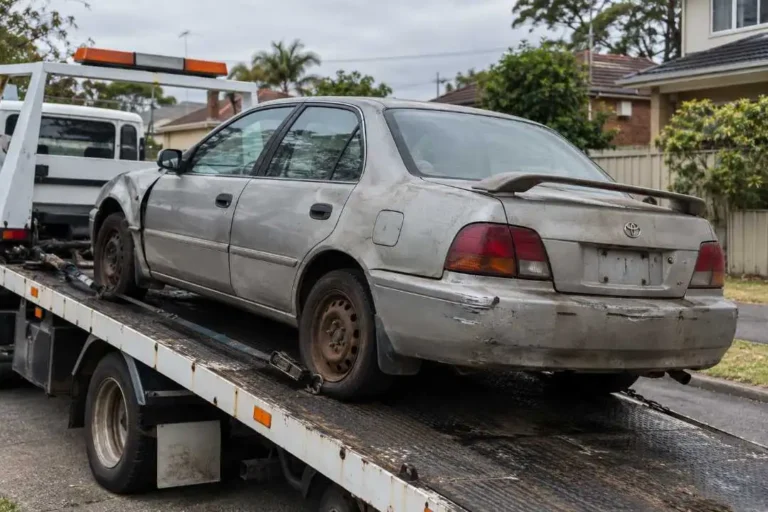
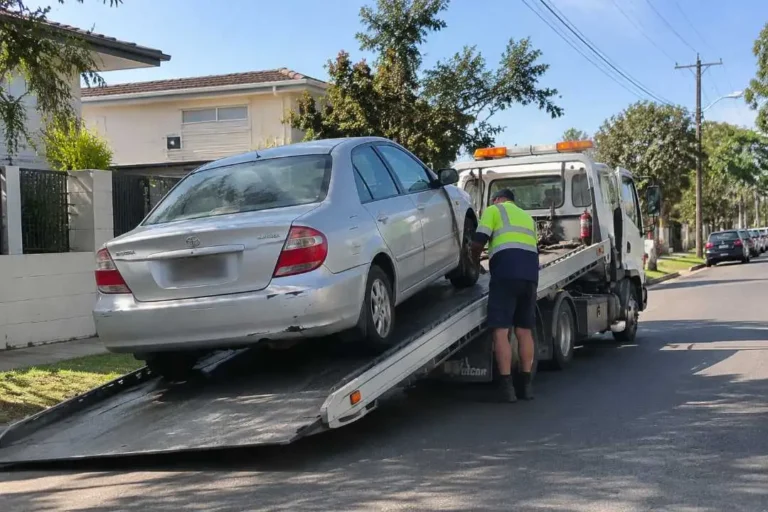
AH Car Removal takes water damaged cars in any condition, including unregistered and non-running vehicles. Pickup is free, timing is arranged to suit you based on location and truck availability, and the payment method is confirmed when the quote is given. Vehicles removed this way are generally assessed for reusable parts, and the remaining materials are recycled.
Buying a used car? How to spot flood damage
Flood used cars can look spotless on a sales lot because the visible mess has been cleaned up. Some flood cars are sold without the buyer knowing their history. Check these signs before you pay.
- A musty smell, or a strong air freshener covering one.
- Silt, sand or dried mud under the carpets, in the spare wheel well and in the door sills.
- Rust on seat rails, pedals and bolts under the dash, where rust should not normally appear.
- Water lines or staining on door trims and upholstery, or carpet that looks newer than the rest of the car.
- Fogged or moisture-filled headlights and tail lights.
- Electrical faults: test every window, light, wiper, the air-conditioning, the stereo and the warning lights.
Then check the car’s history. Look up the PPSR and written-off records through the tools Service NSW points to, and ask for the service history. Book an independent mechanical inspection before you buy, and walk away if the seller will not allow one.
Frequently asked questions
Can a flood damaged car be fixed?
Sometimes. A car that had shallow water for a short time has a better chance than one submerged to the dashboard. Even then, have the electrics, fluids and brakes inspected, because faults can appear well after the car has dried out.
Is it safe to drive a car that has been in a flood?
Not until a qualified mechanic has checked it. Water can affect brakes, lights, steering and airbags, and a wet engine can be damaged further by starting it. If the car must be moved, use a tow truck.
Can I sell a water damaged car?
Yes. Many buyers, including car removal businesses, take water damaged cars in any condition. Be upfront about the flood history, and have your photo ID and proof of ownership ready. The offer depends on the make, model, age, condition and completeness of the car, plus your location.
How can I tell if a used car has been in a flood?
Look for a musty smell, silt under the carpets or in the spare wheel well, rust on seat rails, fogged lights and electrical faults. Check the car’s history and the PPSR, and book an independent inspection before you buy.
Repair or sell: making the call
Flood damaged cars rarely have an obvious answer in the first few days. Get an inspection, hear what your insurer decides, and compare the repair estimate with what the car would be worth afterwards.
If selling looks like the better option, AH Car Removal can arrange free pickup across the areas we service in Greater Sydney. Get a free quote by sharing your car’s make, model, year and condition. You can also call +61 420 502 202 or message us on WhatsApp.