How to Sell an Unwanted Car in Sydney Without the Stress
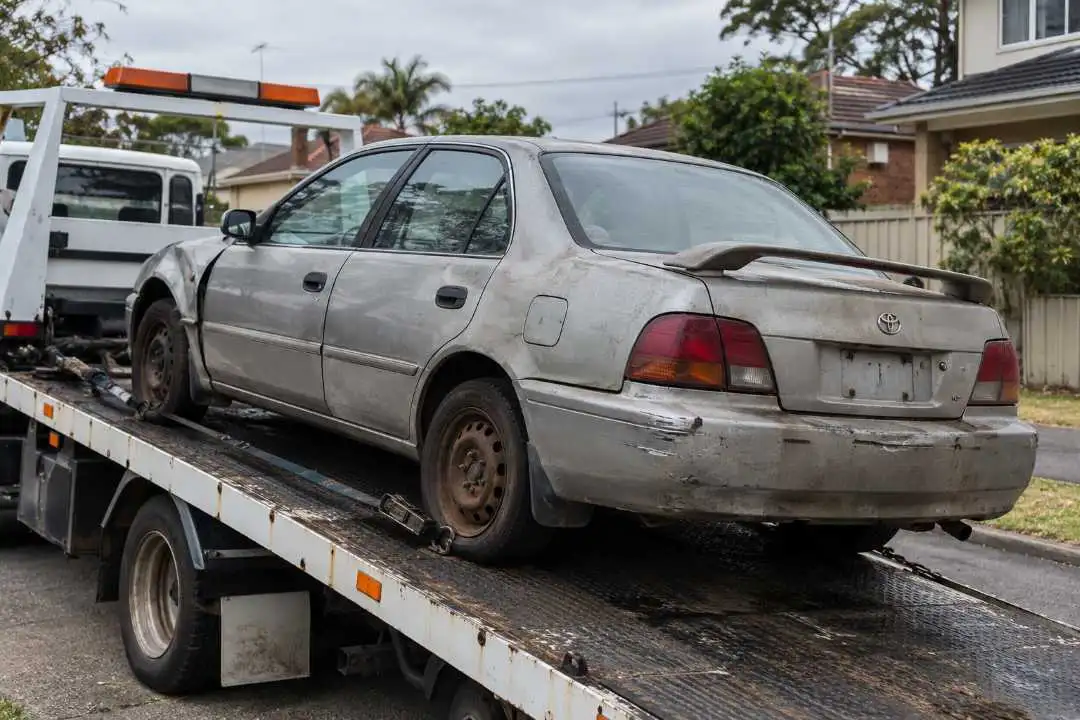
Having an unwanted car sitting in your driveway, garage or street can become frustrating, especially when it is no longer being used. Whether the vehicle is old, damaged, unregistered, unreliable or simply no longer needed, selling it can free up space and remove ongoing costs.
If you are wondering how to sell an unwanted car in Sydney, the first step is to understand your vehicle’s condition and choose a selling option that matches it. A car in good running condition may suit a private sale, while an old, damaged or non-running vehicle may be more suitable for a specialist removal service such as AH Car Removal.
Understand Why You Want to Sell the Car
Before looking for a buyer, consider why you want the vehicle gone. Knowing the reason can help you decide whether repairing, privately selling, trading or removing the car makes the most practical sense.
Some unwanted cars are still reliable but are simply no longer needed, while others have reached a point where keeping them costs more than they are worth. If your vehicle has become expensive to maintain, taking up space or difficult to keep registered, selling it may be a more sensible option.
Common reasons people decide to sell include:
- The car is too old to maintain economically.
- Major mechanical repairs are required.
- The vehicle has accident damage.
- It no longer starts or drives.
- Registration has expired.
- The car is rarely used.
- A newer vehicle has replaced it.
- The vehicle is taking up valuable space.
- Insurance and maintenance costs are becoming difficult to justify.
If your car is still in reasonable condition, you may have several selling options. If it is severely damaged or no longer roadworthy, a conventional private sale may be much more difficult.
Choose the Right Selling Option
The best way to sell an unwanted car depends on its condition, age, demand and how quickly you want to complete the sale. Comparing the available options before making a decision can help you avoid spending unnecessary money or time.
Private sale
Selling privately can be suitable when your vehicle is in reasonable condition and likely to attract ordinary buyers. You can advertise the car, arrange inspections and negotiate directly with interested people.
However, a private sale can take time. You may need to answer enquiries, organise inspections, negotiate over price and arrange a suitable handover.
Dealership or trade-in
A dealership may be convenient if you are replacing the unwanted vehicle with another car. Trading can reduce the effort involved because the dealership handles much of the transaction.
The trade-in value may not always match what you could potentially receive through another selling method, so it is worth comparing the overall figures before making a decision.
Car removal service
A car removal service can be useful when the vehicle is old, damaged, unwanted or no longer practical to drive. Instead of preparing the car for a traditional buyer, you can provide details about its condition and arrange an assessment.
This can be particularly useful when the vehicle cannot be driven to a buyer or dealership. Collection arrangements can also remove the need to organise separate transportation.
Check Your Car’s Condition Before Selling
Knowing the actual condition of your vehicle is important when deciding how to sell it. You do not need to be a qualified mechanic, but you should have a clear understanding of the obvious problems.
Think about whether the engine starts, whether the transmission works, whether the wheels roll and whether the vehicle has major body damage. Also consider whether important parts are missing.
Before requesting an offer, make a note of:
- Make and model
- Year of manufacture
- Approximate kilometres
- Registration status
- Engine condition
- Transmission condition
- Accident damage
- Rust or corrosion
- Tyre condition
- Interior condition
- Missing components
- Whether the vehicle starts
- Whether the vehicle can roll and steer
Being honest about the condition is important. If the engine has failed or the vehicle has significant accident damage, explain this before an offer is made rather than waiting until collection.
Decide Whether Repairs Are Worth Paying For
One of the biggest mistakes when selling an unwanted car is assuming that repairs will automatically increase its value enough to justify the expense.
For example, an older vehicle may need a new transmission, engine repairs, suspension work or extensive body repairs. Spending a large amount on a vehicle that already has a low market value may not make financial sense.
Before approving major repairs, consider the following:
- What is the vehicle realistically worth in its current condition?
- How much will the repair cost?
- What will the vehicle potentially be worth after the repair?
- Are there other problems likely to appear soon?
- How long do you intend to keep the vehicle?
If the numbers do not make sense, selling the vehicle in its current condition may be worth considering.
Prepare the Car Before Getting an Offer
You do not necessarily need to spend money detailing an unwanted car before selling it. However, removing rubbish and personal belongings makes the vehicle easier to inspect and ensures that important items are not accidentally left behind.
Search the entire vehicle carefully, including the boot, glovebox, centre console, door pockets and underneath the seats. Remove paperwork, valuables, toll tags, parking permits and anything else you want to keep.
Taking clear photographs can also help when requesting an assessment. Photograph the exterior from several angles, the interior, dashboard, engine bay and any significant damage.
Clear photographs are particularly useful when the vehicle is damaged or cannot be driven. They give the buyer a better understanding of what they may need to collect.
How to Get a Fair Offer for an Unwanted Car
The value of an unwanted vehicle depends on more than its age. Its make, model, condition, completeness and demand for usable components can all influence what a buyer may offer.
One common mistake is comparing a damaged or non-running car with advertisements for similar vehicles that are registered, roadworthy and ready to drive. An advertised price for a fully operational vehicle does not necessarily represent the value of a vehicle with major mechanical or body problems.
If you are researching how to sell a scrap car for cash, remember that the condition and completeness of the vehicle can affect the assessment. A vehicle with valuable usable components may be assessed differently from one that has missing or heavily damaged parts.
Provide accurate information
When requesting an offer, provide as much useful information as possible. Tell the buyer whether the car starts, whether it can be driven and whether there is significant damage.
Useful information includes the vehicle’s location as well as its make, model, year and general condition. If access to the vehicle is difficult, mention that too.
Take useful photographs
Good photographs can make the assessment process easier. Take them in normal daylight and make sure important areas are visible.
Try to include:
- Front and rear views
- Both sides of the vehicle
- Interior
- Dashboard
- Engine bay
- Wheels and tyres
- Damaged areas
- Any missing components
There is no advantage in hiding obvious damage. Providing accurate information from the beginning can help avoid confusion later.
Compare More Than Just the Price
When comparing ways to sell an unwanted car, the highest initial number is not necessarily the only thing worth considering. Look at what is included in the overall arrangement.
For example, a vehicle that cannot move may require collection, loading equipment or additional arrangements. Make sure you understand how the vehicle will be collected and when payment is expected.
| What to compare | Why it matters |
|---|---|
| Offered amount | Shows the proposed value of the vehicle |
| Vehicle condition | Helps determine whether the offer accurately reflects its state |
| Collection | Confirms how the vehicle will be removed |
| Payment | Establishes when and how payment will be made |
| Paperwork | Helps keep the transaction properly documented |
| Registration status | Determines what administrative steps may be required |
| Outstanding finance | Confirms whether financial obligations need to be addressed |
| Additional costs | Helps prevent unexpected charges |
A clear offer with straightforward terms can be easier to evaluate than an attractive initial figure that comes with conditions you did not expect.
Selling a Damaged or Non-Running Car
Selling a damaged vehicle can be more difficult than selling an ordinary used car. Private buyers may be reluctant to purchase a vehicle requiring major repairs, particularly if they cannot easily determine the final repair cost.
A vehicle with accident damage, mechanical failure or extensive wear may therefore attract a different type of buyer. In these situations, providing detailed information about the damage is particularly important.
If the vehicle has significant body damage, damaged car removal can be an option worth investigating rather than spending money restoring the vehicle simply to make it easier to advertise.
For severely damaged vehicles, photographs and an honest description can help establish whether removal is practical. Mention whether the doors open, whether the wheels turn and whether the vehicle can be accessed by a collection vehicle.
Selling an Old Car for Scrap
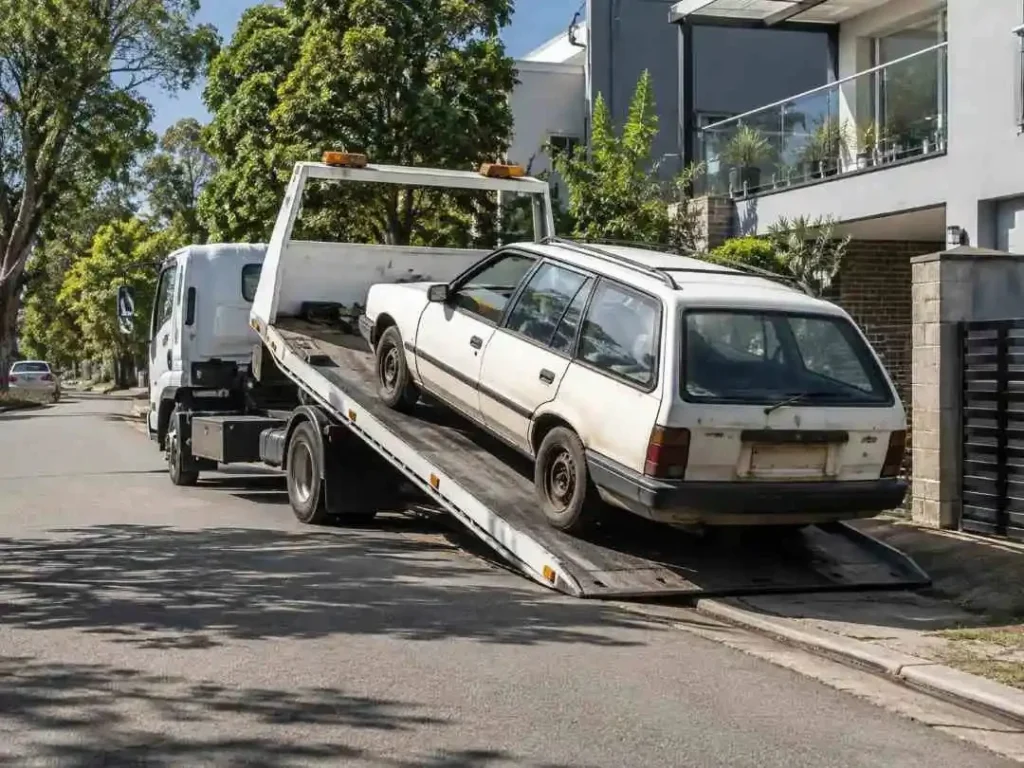
An old vehicle does not necessarily have to be roadworthy to have value. Depending on its condition, some components may still be usable, while other materials may have recycling value.
If you are trying to understand how to sell a scrap car for cash, start by determining whether the vehicle is complete and what major components remain. The vehicle’s make, model and condition can also influence the assessment.
You should not assume that an extremely old vehicle has no value simply because it is no longer suitable for everyday driving. Likewise, you should not assume that every scrap vehicle will receive the same amount.
If the car is no longer practical to repair, scrap car removal may provide a more appropriate route than continuing to spend money on maintenance.
Consider the Location of Your Vehicle
The location of an unwanted vehicle can affect how easily it can be collected. A car parked directly on a driveway is generally easier to access than one located in a narrow lane, underground garage or restricted parking area.
If the vehicle is not running, explain the situation before collection is arranged. Details such as whether the steering works, whether the wheels roll and whether there is enough access for a removal vehicle can be useful.
This is especially important for cars that have been sitting unused for a long time. Tyres may have lost pressure, brakes may have seized or other problems may prevent the vehicle from moving normally.
Complete the Sale Carefully
Once you have accepted an offer, make sure you understand what has been agreed before the vehicle is handed over. Confirm the vehicle details, collection arrangements and payment terms.
Keep a record of the transaction and retain relevant documents. If the vehicle is registered, make sure you complete the appropriate registration disposal requirements rather than assuming the process ends when the vehicle leaves your property.
You should also remove personal items and check the vehicle one final time before collection. Once the vehicle has been removed, recovering something accidentally left inside may be difficult.
Avoid These Common Selling Mistakes
Selling an unwanted car does not need to be complicated, but rushing the process can create avoidable problems. Taking a few minutes to check the details before agreeing to a transaction can make the process considerably clearer.
Avoid:
- Spending heavily on repairs without checking the vehicle’s potential value.
- Hiding major mechanical or accident damage.
- Forgetting personal belongings inside the vehicle.
- Agreeing to unclear payment terms.
- Failing to keep proof of the transaction.
- Ignoring outstanding finance.
- Forgetting relevant registration requirements.
- Comparing your damaged car with fully operational vehicles.
- Providing incomplete information about a non-running vehicle.
- Assuming every old car has the same scrap value.
The objective should be to complete the sale in a way that is practical, transparent and suitable for the actual condition of the vehicle.
Make Your Unwanted Car Easier to Sell
Once you know the condition of your car, the next step is simply choosing a selling method that fits the situation. A well-maintained vehicle may be suitable for a conventional sale, while an old, damaged or non-running vehicle may be better suited to a specialist removal option.
If your vehicle is unwanted but still has useful value, Cash for Cars can be another option to investigate when comparing ways to sell it. The important thing is to provide accurate information and understand what is included in the offer before making your decision.
For owners with damaged vehicles, comparing a conventional private sale with a removal service can also save considerable time. The more accurately you describe the vehicle, the easier it becomes to determine which option is appropriate.
What to Do Before the Vehicle Leaves
Before the final handover, check the car one more time and make sure you have removed everything you want to keep. Photograph the vehicle and retain your transaction records for your own reference.
If the vehicle is registered in NSW, make sure you follow the relevant disposal and registration procedures after the sale. Current NSW guidance covers the seller’s responsibilities, proof of sale, notice of disposal requirements and other steps that may apply when a vehicle is sold or disposed of.
For the latest official requirements, check the Service NSW guide to selling a vehicle before completing your transaction.