What Happens to Your Car After It’s Scrapped?

Once an old car is collected for scrap, it is usually checked for reusable parts, drained of fluids and then broken down so its metal and other materials can be recycled. If you are looking into car recycling Sydney options, this guide walks through each step in general terms. It also covers the jobs you need to do yourself before pickup, from clearing out the glovebox to lodging your paperwork.
What car recycling means
Car recycling is what happens to a vehicle at the end of its life. Instead of being repaired and resold, the car is taken apart so its useful parts and raw materials can go back into use.
A used car that still runs well is usually resold as a whole vehicle. An end-of-life car is different. It may be too old, too damaged or too costly to fix, so its value lies in its parts and metal rather than in driving it again.
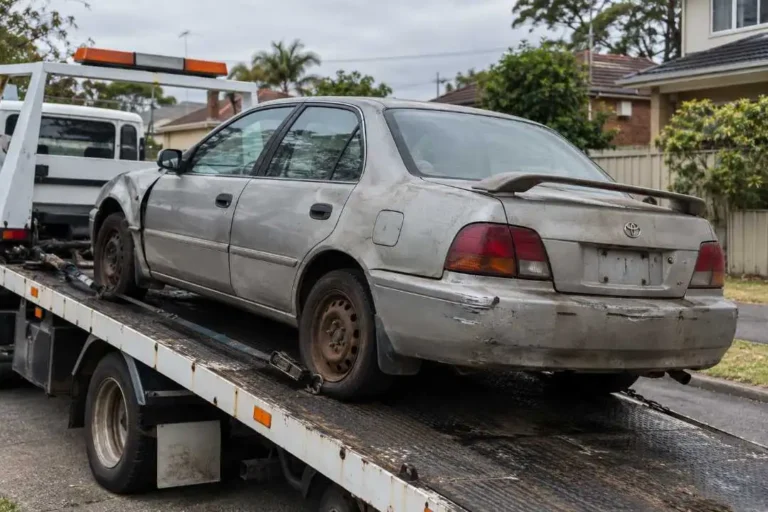
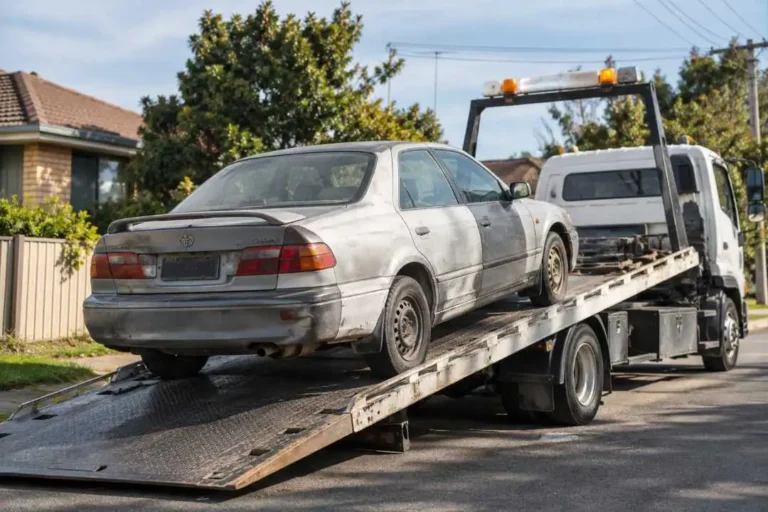
Many owners reach this point after a failed inspection, a big repair quote or an accident. If that sounds like your car, our page on scrap car removal explains how pickup works. The rest of this guide covers what happens after the car leaves your driveway.
Car recycling Sydney: what happens, step by step
The exact process varies between recyclers, but most follow a similar order. Here is how car recycling generally works across the industry.
1. Assessment
The car is checked to see what it is made of and what is still worth saving. Make, model, age and condition all matter. A late-model car with a working engine may have many saleable parts, while an older shell may be valued mainly for its metal.
2. Fluids and battery removed
Before any dismantling, the car is drained of engine oil, fuel, coolant, brake fluid and transmission fluid. The battery comes out too, and air-conditioning gas is usually recovered. This step comes first because these materials can harm soil and waterways if they leak.
3. Reusable parts removed
Parts that still work are taken off and checked. Engines, gearboxes, alternators, doors, lights and wheels are common examples. These parts can go to people repairing the same model, which helps keep older cars on the road for longer.
4. Materials separated
What is left is sorted by material. Steel and aluminium are separated where possible. Glass, plastics and rubber from tyres and seals are pulled out for their own recycling streams, depending on what local facilities accept.
5. Crushing, shredding and metal sorting
The stripped shell is usually crushed flat so it is easier to transport, then shredded into small pieces. Magnets and other sorting equipment separate steel from aluminium, copper and other metals. The sorted metal is then melted down and made into new products.
Which parts of a scrapped car get reused or recycled
Almost every part of a car has a second use of some kind. Whether a part is reused as it is or recycled as raw material depends on its condition.
- Engine and gearbox parts: working engines, gearboxes, starter motors and alternators are often reused. Worn parts are recycled for their metal.
- Body panels: doors, bonnets, boot lids and guards in good condition can be refitted to the same model. Damaged panels go into the metal stream.
- Wheels and tyres: alloy wheels are a useful source of aluminium. Tyres with tread left may be reused, while worn tyres can be processed into material for other uses.
- Catalytic converter: it contains small amounts of precious metals, so it is usually removed and sent for specialist recovery.
- Battery: car batteries contain lead and acid. They are recycled separately so those materials can be recovered safely.
- Glass: windows can be recycled, although a laminated windscreen needs extra processing because of the plastic layer inside it.
Can a wrecked or badly damaged car still be recycled?
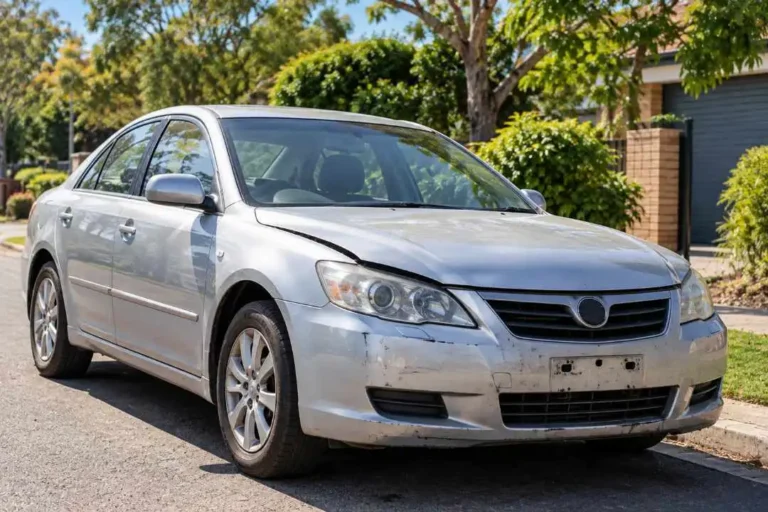
Yes, in most cases. A car does not need to run, roll or even hold together well to be recycled. Car wrecks from crashes, vehicles written off after flood or hail, and destroyed cars from fire still contain steel, aluminium and other materials worth recovering. Even a demolished car still has recyclable metal, though it may have fewer reusable parts.
Damage mainly changes how many parts can be saved, not whether the car can be recycled. It can affect pickup, though. A car with flat tyres, seized wheels or a crushed front end may need extra equipment to load, so mention these details when you ask for a quote. Our guide to wrecked car removal explains what to expect.
If an insurer has declared the car a write-off, there may be extra rules about what can happen to it. Check with your insurer and Service NSW before you arrange disposal.
Why recycling an old car matters
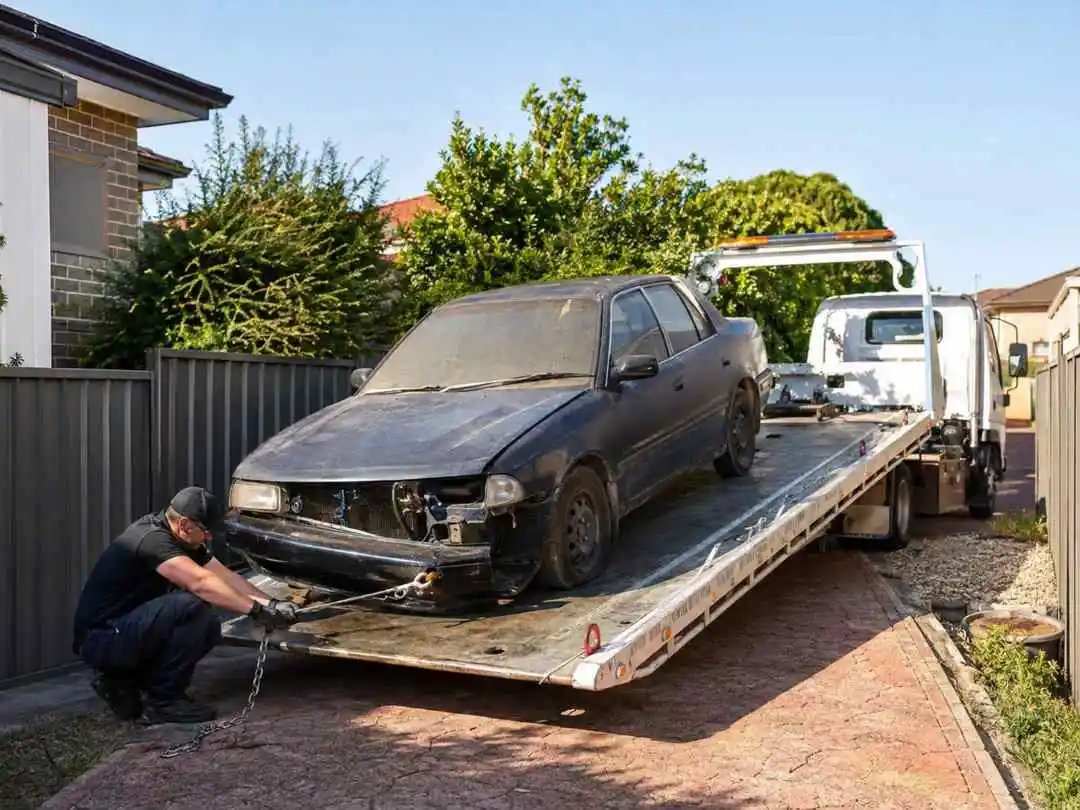
An old car left in a backyard or on the street does more than take up space. A trashed car can leak oil, coolant and battery acid into the ground, and rain can carry those into stormwater drains and creeks. Recycling means these fluids are removed and handled properly instead of seeping away.
Metal is the other big reason. Steel and aluminium can be recycled again and again, so recovered metal reduces the need to mine and process new ore. Reused parts also help other owners keep their cars running without buying new components.
What to do before your car is recycled
Once a car has been collected, getting anything back is hard. Work through this list before pickup day.
- Remove personal items. Check the glovebox, centre console, door pockets, boot, spare wheel well and under the seats. Take out garage remotes, chargers, sunglasses and any papers with your details.
- Take out the toll tag. Remove it from the windscreen and contact your toll account provider to update or close the account, so you are not charged for someone else’s trips.
- Sort out plates and registration. NSW has rules about number plates and registration when a vehicle is disposed of. Check the current steps with Service NSW before pickup.
- Lodge a notice of disposal. This records that you no longer own the car, which helps protect you from later fines and tolls. Note the date and time of collection.
- Have ID and proof of ownership ready. Photo ID and proof of ownership, such as registration papers or a purchase receipt, are generally needed at collection.
- Cancel insurance and extras. Once the car is gone and the paperwork is done, contact your insurer and any roadside assistance provider.
Rules can change, so treat this as a general checklist rather than legal advice. Service NSW has the current steps for plates, registration and notices of disposal. For the booking side, see our guide on how car removal works.
How AH Car Removal fits in
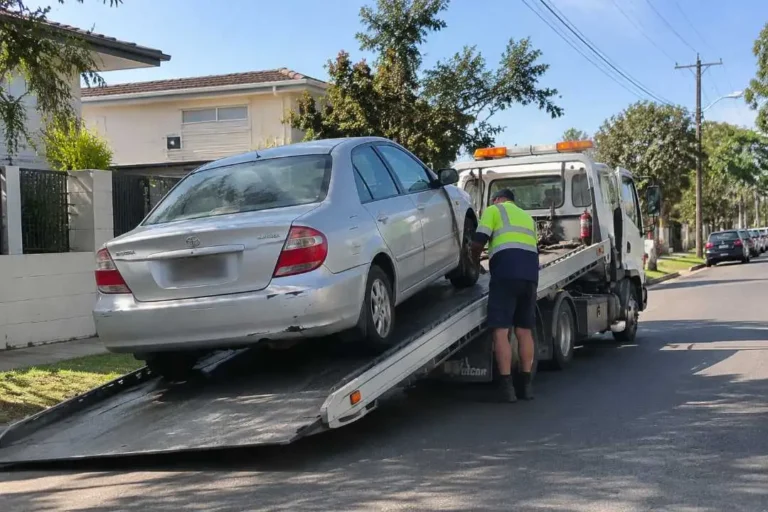
AH Car Removal handles the pickup side of this process. We collect unwanted, scrap and damaged cars, SUVs, 4WDs, utes and vans, whether they run or not. Pickup is free, and the timing is arranged to suit you, depending on your location and truck availability.
You get a quote first. The offer depends on the make, model, age, condition and completeness of the car, plus its location and scrap weight. Our guide on what affects the value of a scrap car explains each factor. The payment method is confirmed when the quote is given.
After collection, vehicles are assessed for reusable parts and the remaining materials are recycled.
Frequently asked questions
What happens to a scrapped car?
In general, it is assessed, drained of fluids and stripped of reusable parts. The shell is then crushed or shredded so the metal can be sorted and recycled. Glass, plastics and rubber are separated where possible.
Do I need to cancel my registration before my car is scrapped?
NSW rules set out what to do with registration and number plates when a car is disposed of, and the right step depends on your situation. Check the current process with Service NSW before pickup. Either way, lodge a notice of disposal so the car is no longer linked to you.
Can a wrecked car be recycled?
Yes, in most cases. A car that has been through a serious crash, flood or fire still holds metal worth recovering. Fewer parts may be reusable, but the materials can still be recycled.
Do I need to be there when the car is collected?
It is usually easiest if you, or someone you trust, can hand over the keys and show ID and proof of ownership. If you cannot be there, mention it when you book so the handover can be arranged.
Ready to let your old car go?
After collection, a car is usually assessed, drained, stripped of useful parts and broken down so its metal and other materials can be recycled. Your part is simpler: clear the car out, deal with the toll tag, plates and notice of disposal, and have your ID ready.
If you are weighing up car recycling Sydney options for an old or damaged vehicle, AH Car Removal offers free pickup across the areas we service. Get a free quote to find out what your car could be worth before you decide.