How Does Car Removal Work? A Complete Guide for Sydney Vehicle Owners
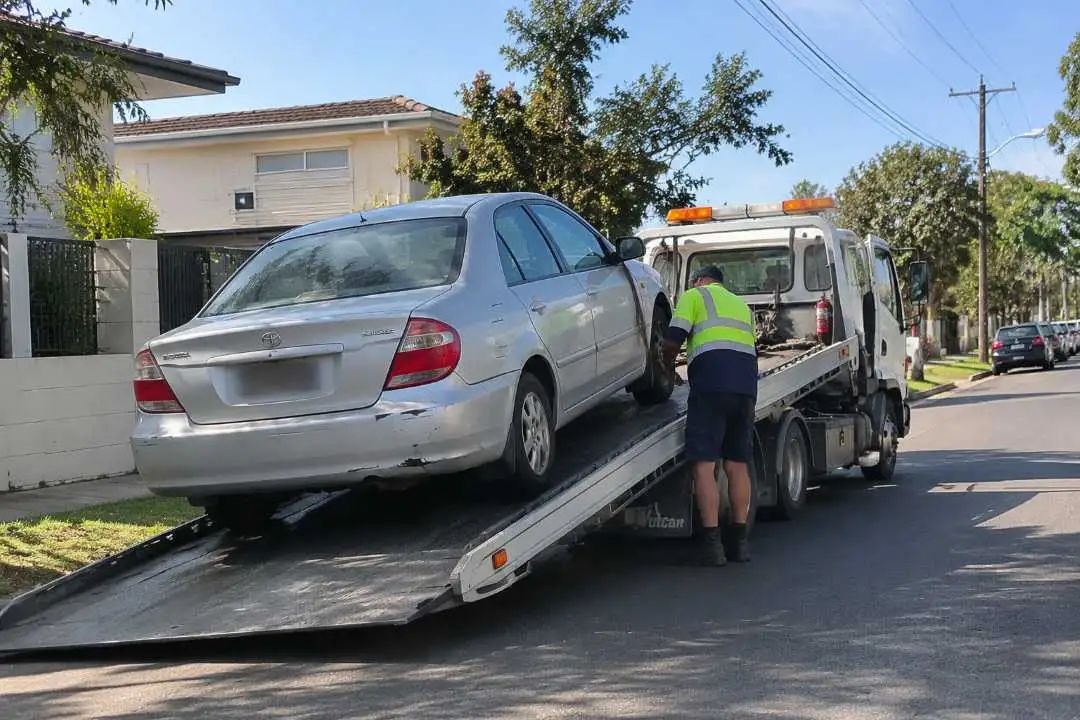
An unwanted car can quickly become more than an inconvenience. It may take up valuable driveway space, require ongoing registration or maintenance decisions, or simply leave you wondering how to dispose of it properly. If you are asking how does car removal work, the process is generally much simpler than selling an unwanted vehicle privately.
A professional service such as AH Car Removal can arrange collection of unwanted vehicles across Sydney, including cars that are old, damaged, non-running or no longer practical to keep. Understanding the process beforehand helps you prepare the vehicle, organise the necessary details and know what to expect when collection day arrives.
How Does Car Removal Work From Start to Finish?
Car removal generally involves providing information about your vehicle, receiving an offer or collection arrangement, confirming the pickup details and having the vehicle collected. The exact process can vary depending on the vehicle’s condition and the removal provider.
You usually do not need to prepare the vehicle as though you were selling it privately. However, accurate vehicle information and some basic preparation can make collection much smoother.
Step 1: Provide Your Vehicle Details
The first step is usually to tell the removal company about the vehicle. Accurate information allows the provider to understand what is being collected and what type of transport may be required.
You may be asked for:
- Vehicle make and model
- Manufacturing year
- Vehicle condition
- Registration status
- Pickup suburb
- Whether the car starts
- Whether the vehicle can roll or steer
- Details of major accident or mechanical damage
Be clear about serious damage or difficult access. A vehicle with locked wheels in an underground car park, for example, may require different planning from a running car parked on an open driveway.
Step 2: Receive and Review the Offer
Once the vehicle details have been assessed, the removal provider can explain the available collection arrangements and, where applicable, provide an offer for the vehicle.
The vehicle’s make, model, age, condition, completeness and potential value may all influence an offer. Giving accurate information from the beginning reduces the chance of confusion when the vehicle is inspected at collection.
Step 3: Arrange a Suitable Collection Time
If you decide to proceed, the next stage is arranging collection. You will normally provide the exact pickup address and choose an available time that works for both parties.
Mention access restrictions before the truck arrives. Narrow driveways, apartment parking, low-clearance areas, busy streets or vehicles positioned behind other cars can affect how collection needs to be handled.
Step 4: Complete the Handover and Collection
At collection, the vehicle and relevant details can be checked before the handover is completed. The car is then prepared for loading using equipment appropriate for its condition.
Once loaded securely, the vehicle leaves your property and enters the next stage of the removal process.
What Types of Cars Can Be Removed?
A car does not necessarily need to be running or in good condition to qualify for removal. Many vehicles are removed precisely because repairing, advertising or continuing to store them is no longer worthwhile for the owner.
Different vehicle conditions can also affect how collection is organised.
Old and End-of-Life Cars
Older vehicles may become increasingly difficult to maintain as repair needs increase or replacement parts become harder to justify financially. An owner may also simply have upgraded and no longer need the older car.
If the vehicle has reached the end of its practical life, scrap car removal can provide an alternative to leaving it unused indefinitely.
Accident and Damaged Vehicles
Cars with collision damage can be difficult to move, particularly when tyres, steering, suspension or bodywork have been affected. They may also be unsuitable for normal driving even if the engine still starts.
A damaged car removal service can arrange collection without requiring the owner to drive an unsafe or severely damaged vehicle elsewhere.
Flood-Affected Vehicles
Floodwater can affect electrical components, interior materials, mechanical systems and other areas that are not immediately visible. Owners should therefore be cautious about assuming a flood-affected vehicle is safe simply because it still starts.
A flood damaged car removal service can provide an appropriate collection option when the owner has decided not to keep the affected vehicle.
How to Prepare a Car for Removal
If you are wondering how to prepare a car for removal, you generally do not need to clean or repair it first. The most useful preparation involves removing personal belongings, gathering relevant information and making the vehicle accessible.
Spending a few minutes checking the car before collection can also prevent personal property or important documents from accidentally leaving with it.
Remove Your Personal Belongings
Cars often accumulate belongings in places owners rarely check. Once the vehicle has been collected, retrieving forgotten items may become difficult.
Check areas such as:
- Glove box
- Centre console
- Door pockets
- Boot
- Under the seats
- Seat-back pockets
- Sunglasses holders
- Child-seat storage areas
Remember to remove toll tags, garage remotes, charging cables and other accessories that belong to you rather than the vehicle.
Gather Relevant Vehicle Information
Have your vehicle and identification details available before collection. The exact documentation required can depend on the circumstances, so confirm requirements with the removal provider before the scheduled pickup.
Do not leave this until the truck arrives. Sorting out missing information beforehand can make the handover more straightforward.
Remove Your Number Plates When Required
Registration and number-plate requirements depend on the relevant state or territory rules and the vehicle’s circumstances. Do not assume that transferring the physical vehicle automatically completes every registration-related obligation.
If you are in NSW, check the current requirements with Service NSW when disposing of or transferring a registered vehicle. This helps ensure you complete any responsibilities that apply to your situation.
Make the Vehicle Accessible
Tell the removal company where the vehicle is located and whether there are obstacles around it. If practical, clear enough space for collection equipment to approach safely.
Be particularly clear if the vehicle is:
- Inside a garage
- In basement parking
- Behind a locked gate
- On soft ground
- Missing wheels
- Unable to roll
- Parked on a steep driveway
- Positioned in a tight access area
These details help the provider prepare for the actual collection conditions rather than discovering access problems after arrival.
What Affects the Car Removal Process?
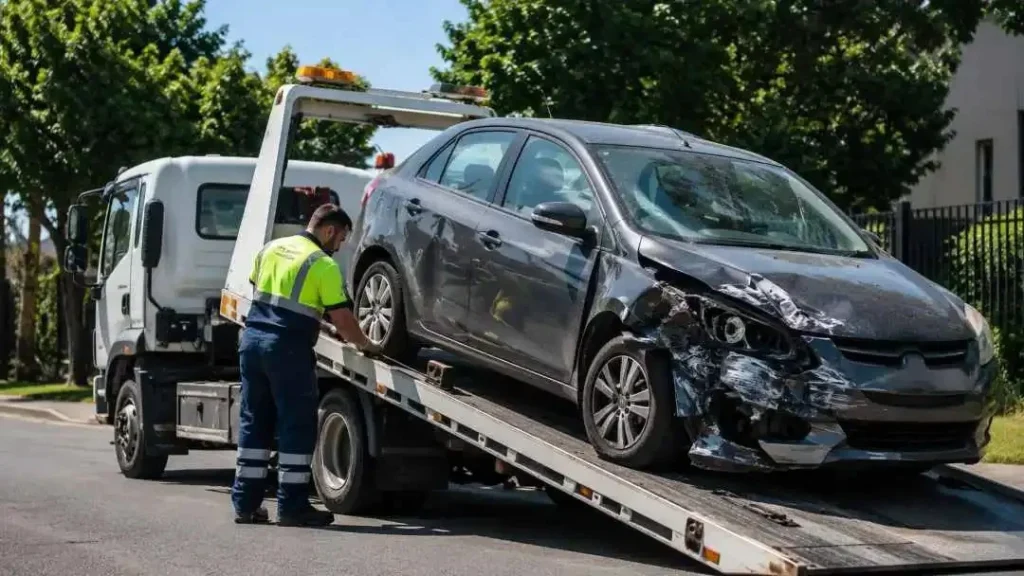
Not every collection is identical. Vehicle condition, location and accessibility can influence the equipment and preparation required.
The following table provides a simple overview.
| Situation | What to tell the removal provider | Why it matters |
|---|---|---|
| Running vehicle | Confirm that it starts and drives | May simplify positioning |
| Non-running car | Explain the known fault | Helps plan loading |
| Accident damage | Describe damaged wheels/bodywork | Different loading may be required |
| Missing wheels | Specify which wheels are missing | Additional equipment may be necessary |
| Underground parking | Provide clearance and access details | Tow-truck access may be restricted |
| Unregistered vehicle | Explain registration status | Helps clarify handover requirements |
| Flood damage | Describe known water exposure | Helps establish vehicle condition |
| Tight driveway | Explain available access | Allows collection to be planned properly |
Giving this information when arranging the pickup can reduce delays and make the collection more predictable.
What Happens to a Car After Removal?
A common question after understanding the collection process is what happens to a car after removal. The answer depends heavily on the vehicle’s condition, age and whether components or materials remain suitable for recovery.
Some vehicles may have reusable parts, while vehicles at the end of their useful life may be directed towards dismantling and material recovery.
Assessment and Dismantling
After collection, an end-of-life vehicle can be assessed to determine which components may still have value or another practical use. Parts suitable for reuse can be separated from materials destined for further processing.
The condition of each car is different, so not every component will necessarily be recoverable.
Recovering Useful Materials
Cars contain substantial quantities of metals as well as plastics, glass, rubber and other materials. Appropriate processing can allow some of these resources to be separated rather than treating the complete vehicle as general waste.
Vehicle recycling therefore involves more than simply crushing an unwanted car. Fluids, components and different materials need to be handled appropriately during dismantling and processing.
Managing Fluids and Other Components
End-of-life vehicles may still contain engine oil, coolant, brake fluid, fuel and other automotive fluids. Batteries and some other components also require appropriate handling.
This is one reason responsible disposal matters. Proper processing helps manage materials that should not simply be abandoned or disposed of with ordinary household waste.
Should You Repair, Sell Privately or Remove the Car?
Car removal is useful, but it is not automatically the right choice for every unwanted vehicle. A roadworthy car with strong resale value may be better suited to private sale, while a minor fault could sometimes justify repair.
The decision becomes different when the car requires extensive work, cannot be driven or has little practical use to its current owner.
When Repair May Make Sense
Repair may be worth considering when the fault is relatively minor and the car otherwise meets your needs. Compare the likely repair requirements with the vehicle’s condition and how long you intend to keep it.
A mechanical inspection can be useful when you are uncertain whether a problem is minor or the beginning of more significant repair needs.
When Removal Becomes Practical
Removal may be more convenient when the car has severe damage, major mechanical problems or has remained unused for a long time. It can also help when storing the vehicle is creating an ongoing problem.
Instead of arranging repairs solely to make the vehicle saleable, owners can explore removal in its existing condition.
Avoid These Common Mistakes Before Collection
Understanding how does car removal work also means knowing what can complicate the process. Most avoidable problems come from inaccurate information, forgotten belongings or access issues that were not mentioned beforehand.
Before collection, make sure the information you have provided still reflects the vehicle’s current condition.
Common mistakes include:
- Forgetting personal belongings inside the car
- Providing an incorrect pickup address
- Not mentioning missing wheels
- Forgetting to explain restricted access
- Giving inaccurate vehicle-condition details
- Leaving registration questions until collection
- Assuming a non-running vehicle can be loaded like a running car
A quick check before your scheduled collection can prevent many of these issues.
How Long Does the Car Removal Process Take?
The time required depends on the provider’s availability, your location, the vehicle and the complexity of collection. A straightforward pickup from an accessible driveway will generally require less preparation than recovering a severely damaged vehicle from a restricted location.
When requesting collection, provide complete information rather than focusing only on getting the earliest possible appointment. Good preparation can make the actual pickup more efficient once the truck arrives.
NSW Requirements to Consider Before Disposing of a Vehicle
Vehicle owners should remember that collecting a car and completing any required registration or ownership steps are separate processes. Depending on whether the vehicle is registered, sold, disposed of or transferred, different requirements may apply before and after removal.
Keeping proper records and confirming your responsibilities can help avoid issues later. For NSW vehicle owners, the vehicle registration information provided by Service NSW explains important requirements related to managing vehicle details, transfers and registration matters.