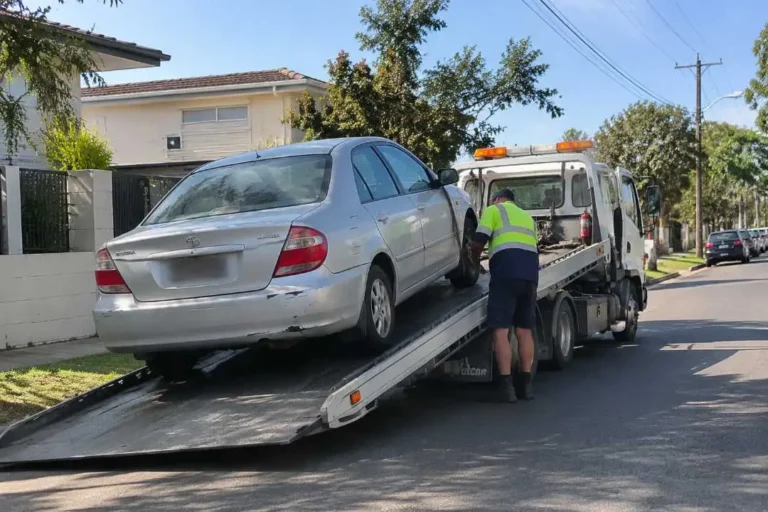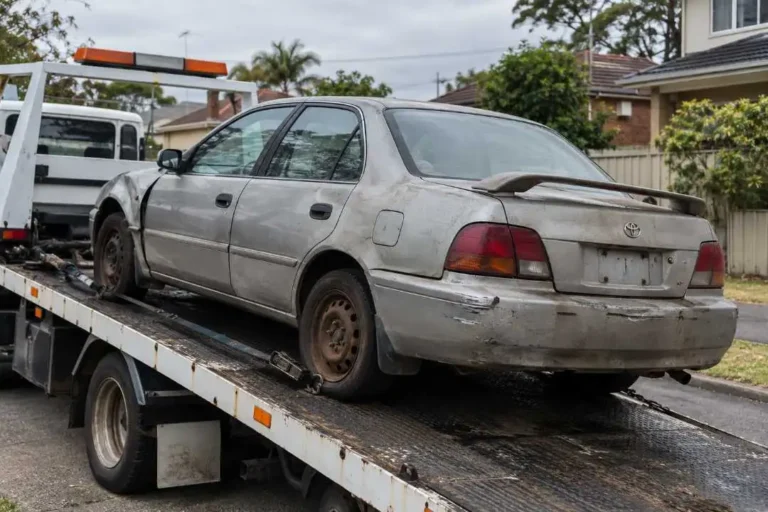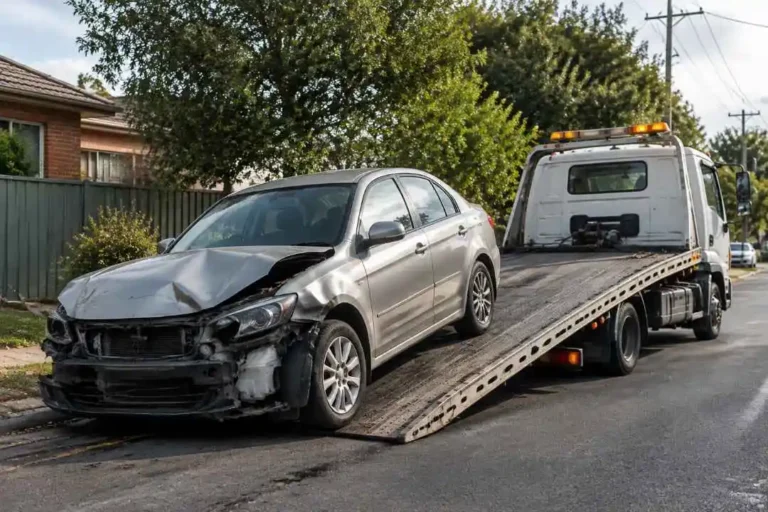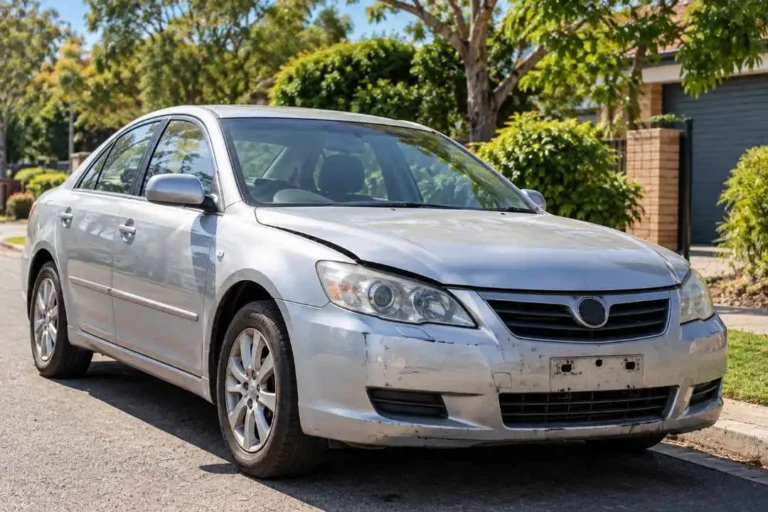
How Much Is My Scrap Car Worth? 7 Factors That Matter
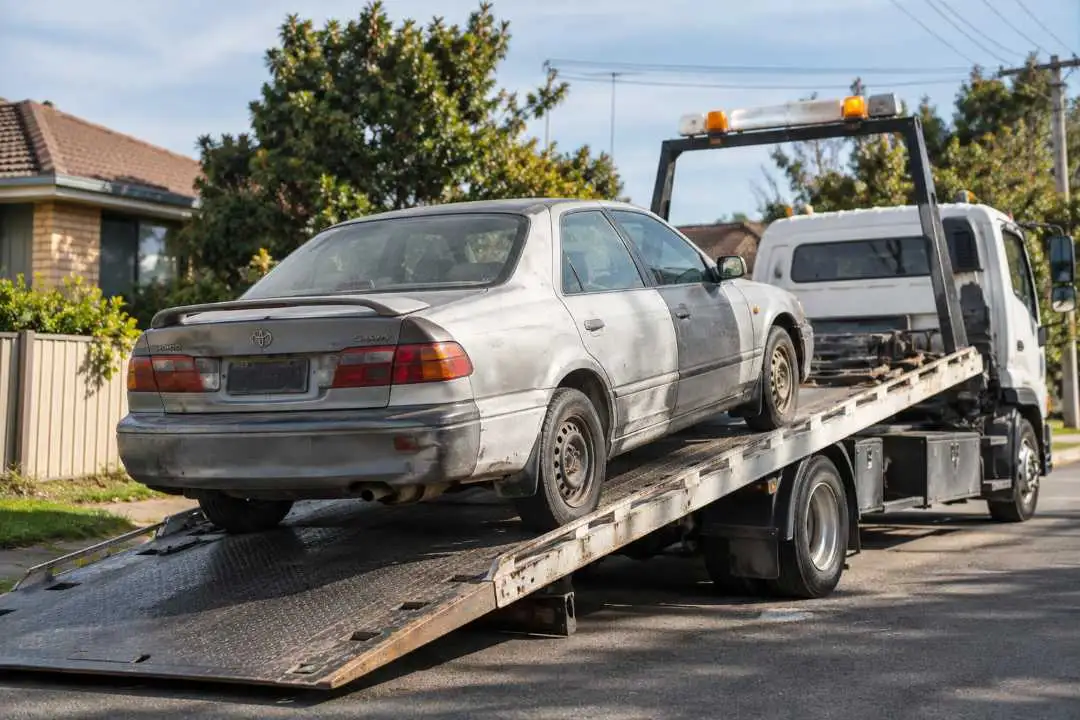
If you have an old, damaged or unwanted vehicle sitting in your driveway, you may be wondering how much is my scrap car worth before arranging collection. The answer is not based on one fixed figure. Scrap value can vary according to the vehicle’s weight, condition, usable parts, metal content, demand and whether the car can be collected easily.
Understanding these factors can help you approach the sale with realistic expectations. If you are considering professional removal, a car removal service can assess the vehicle based on the information you provide and explain the next steps.
What Determines the Value of a Scrap Car?
A scrap vehicle still has value even when it is no longer practical to drive. Its final value can come from recyclable metals, usable components and parts that may have a resale market.
The condition and type of vehicle also make a difference. A complete vehicle with valuable components may be treated differently from one that has already been stripped, severely damaged or missing major parts.
Vehicle Weight and Metal Content
One of the basic considerations in scrap valuation is the amount of recoverable material in the vehicle. Heavier vehicles may contain more metal, although weight alone does not determine the final amount offered.
The type and condition of the materials can also influence how the vehicle is assessed. Scrap markets can change over time, so an amount offered for a similar vehicle may not remain the same.
Make, Model and Vehicle Type
The make and model can influence value because some vehicles have components that are more desirable in the used-parts market. A popular model with reusable engines, transmissions, panels or other components may have value beyond its scrap metal.
Older vehicles can still be worthwhile if they contain usable parts. This is why a vehicle that looks like ordinary scrap may have a different value from another car of a similar age and size.
Condition of the Vehicle
A vehicle does not need to be running to have value. However, its overall condition can affect what parts can be recovered and whether the vehicle is suitable for dismantling or recycling.
Important details can include:
- Engine condition
- Transmission condition
- Body damage
- Wheel and tyre condition
- Interior condition
- Missing components
- Flood or fire damage
- Accident history
Being honest about the vehicle’s condition helps create a more accurate assessment.
How Much Is My Scrap Car Worth Compared With a Running Car?
A running vehicle and a non-running scrap vehicle are valued differently because they may be suitable for different purposes. A working car can potentially be sold for continued use, while a scrap vehicle is generally assessed around its recoverable parts and materials.
If the vehicle still runs and has reasonable condition, selling it as a used car may be worth considering before choosing disposal. On the other hand, a severely damaged, very old or uneconomical vehicle may make more sense as a removal candidate.
When a Car May Have More Than Scrap Value
Not every unwanted vehicle should automatically be treated as scrap. Some older cars contain desirable parts, while certain models can retain value even when they require significant repairs.
Factors that may increase interest include:
- Rare or sought-after models
- Complete mechanical components
- Valuable replacement parts
- Good-quality panels
- Relatively complete interiors
- Desirable wheels or accessories
The best way to understand your options is to provide accurate details about the vehicle rather than judging its value only by appearance.
When Scrap May Be the Practical Option
A vehicle may be more suitable for scrap or dismantling when repair costs are high compared with its likely market value. Extensive accident damage, serious mechanical faults and long-term neglect can all make private sale more difficult.
In these circumstances, scrap car removal can provide a straightforward way to clear the vehicle without spending heavily on repairs first.
How Much Is a Junk Car Worth?
People often use “junk car” and “scrap car” interchangeably, but the actual value can vary considerably from one vehicle to another. If you are asking how much is a junk car worth, consider its condition, completeness, weight and potential parts value rather than relying on a standard figure.
A car that has been sitting unused for years may still contain an engine, transmission, catalytic components, wheels and other parts with recoverable value. Meanwhile, a vehicle that has already been stripped of important components may be assessed differently.
Does Damage Reduce the Value?
Damage can reduce the value of a vehicle, but it does not necessarily make it worthless. In some cases, damaged vehicles still contain parts that can be recovered or recycled.
The type of damage matters too. A vehicle with body damage may retain useful mechanical components, while a fire-damaged or heavily stripped vehicle may have fewer reusable parts.
Do Missing Parts Matter?
Yes. Missing engines, transmissions, catalytic components, wheels or other major parts can affect the assessment.
When requesting a quote or assessment, tell the removal provider if anything important has already been removed. Accurate information helps avoid unexpected changes when the vehicle is inspected or collected.
Does the Vehicle’s Age Affect Scrap Value?
Age can influence a vehicle’s overall condition and parts demand, but it does not automatically determine its scrap value. An older vehicle may still contain valuable components, particularly if it is relatively complete.
A newer damaged vehicle can also have significant parts value. For this reason, age should be considered alongside condition, make, model, completeness and the current market environment.
Older Cars Can Still Be Valuable
An old vehicle may have useful components even if it is no longer economical to repair. Doors, panels, wheels, glass, interior components and mechanical parts can potentially have value depending on their condition and demand.
This means an old car should not simply be abandoned because it appears past its useful life.
Written-Off Cars Need Individual Assessment
A written-off vehicle may still have recoverable components, but its condition and status need to be considered carefully. Vehicles damaged by collisions, floods or other events can have very different recovery values.
If your vehicle has been written off, provide the relevant information when requesting removal rather than assuming its value is the same as an ordinary scrap car.
What Can Increase or Reduce Your Car’s Value?
Several factors can move a vehicle’s value up or down. Some relate directly to the vehicle, while others concern collection requirements.
| Factor | Potential effect on value |
|---|---|
| Vehicle weight | More recoverable material may increase interest |
| Usable parts | Desirable components can add value |
| Vehicle condition | Better components may have greater resale potential |
| Missing parts | Can reduce recoverable value |
| Accident damage | Effect depends on the severity and location |
| Flood or fire damage | May reduce reusable component value |
| Complete vehicle | More components may remain available |
| Difficult access | May affect collection arrangements |
These factors explain why two vehicles that look similar from the outside can receive different assessments.
How to Prepare Your Car Before Removal
Once you have decided to dispose of the vehicle, preparing it properly can make the collection process easier. You do not normally need to repair an unwanted car simply to have it removed, but you should provide accurate information about its condition and location.
Before collection, consider the following:
- Remove personal belongings
- Check the boot and glovebox
- Remove important documents you need to keep
- Tell the provider about major damage
- Mention if the vehicle does not start
- Explain if wheels are locked
- Identify narrow or restricted access
- Keep relevant keys available
Taking a few minutes to check the vehicle can prevent valuable personal items from being left behind.
Check the Vehicle’s Accessibility
Collection is easier when the vehicle can be reached by suitable recovery equipment. A car parked behind another vehicle, inside a narrow garage or in a difficult driveway may require additional planning.
Tell the removal provider about access restrictions when arranging collection. This is especially important if the car cannot roll or steer normally.
Keep Important Vehicle Information Ready
Having basic vehicle information available can help with an initial assessment. Depending on the circumstances, this may include the make, model, year, registration details and VIN.
You should also explain whether the vehicle is complete, damaged, unregistered or missing major components.
Can a Damaged or Non-Running Car Still Be Worth Money?
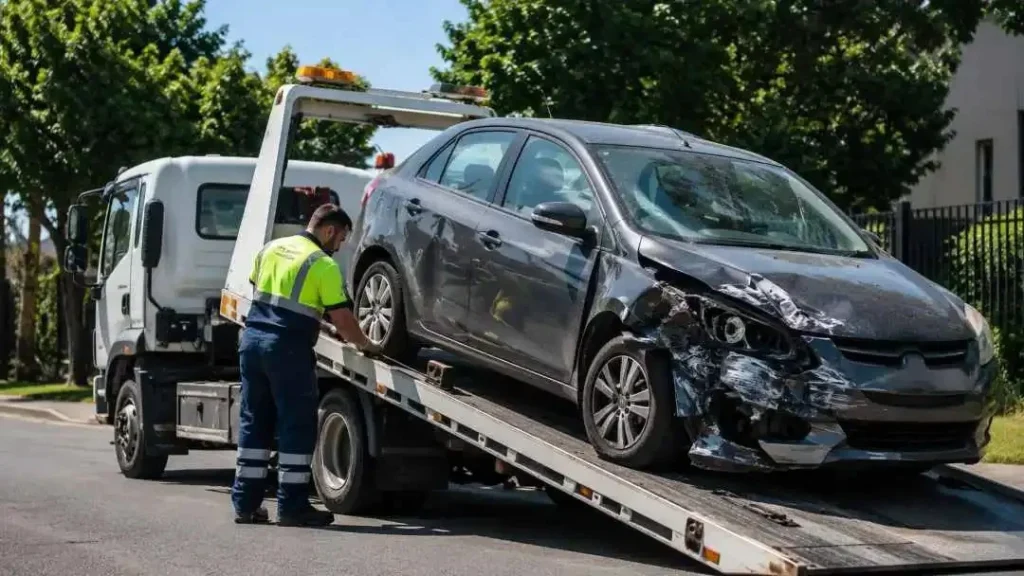
Yes. A car does not need to start or be roadworthy to have potential value.
A damaged vehicle can still contain reusable mechanical parts and recyclable materials. For example, an accident-damaged vehicle may have a damaged exterior but an engine, transmission or interior components that remain usable.
Accident-Damaged Vehicles
Severe collision damage can make a vehicle uneconomical to repair. However, parts that escaped damage may still have potential value.
If you are dealing with a heavily damaged vehicle, wrecked car removal can be an appropriate option when you want the vehicle collected rather than repaired.
Mechanically Failed Vehicles
A failed engine, transmission or major mechanical component can make repair costs difficult to justify, particularly on an older vehicle.
A vehicle with mechanical problems can still be considered for removal. The value depends on what remains usable and the overall condition of the car.
What Should You Tell a Car Removal Provider?
Accurate information is one of the easiest ways to make the assessment process smoother. You do not need to know the technical value of every component; simply describe the vehicle honestly.
Useful information includes:
- Make and model
- Approximate year
- Vehicle condition
- Running or non-running status
- Major accident damage
- Flood or fire damage
- Missing parts
- Location
- Access conditions
- Registration status
Photos can also help communicate the vehicle’s condition before collection. Clear images of the exterior, interior and major damage can give the provider a better understanding of what to expect.
Is a Junk Car Worth More With Its Parts?
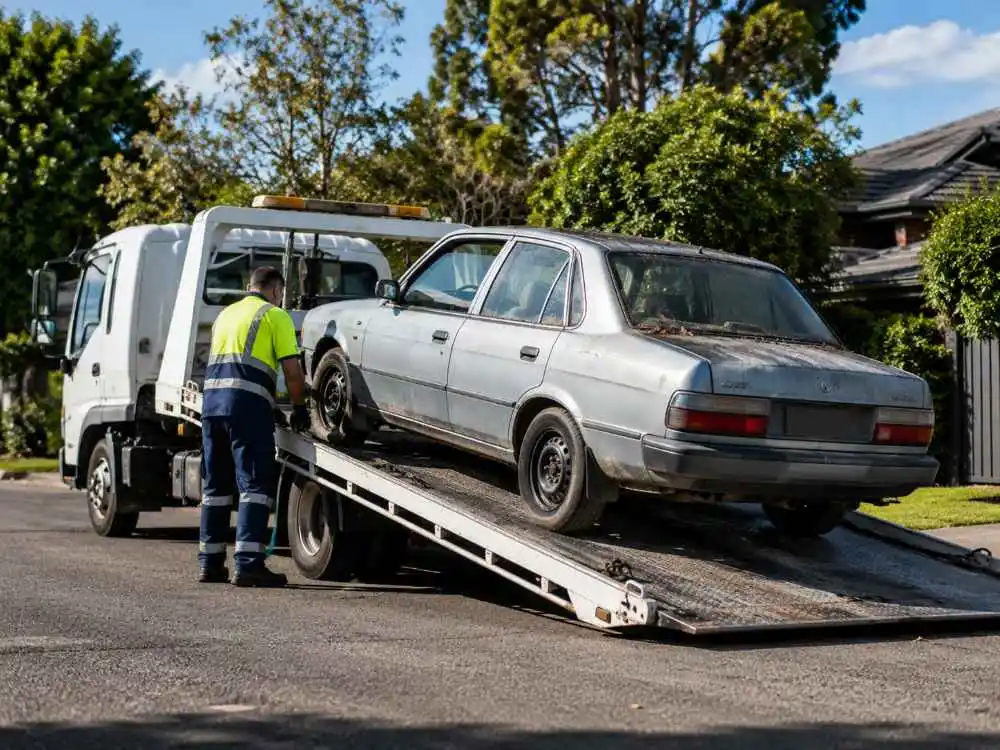
Potentially, but removing parts yourself does not automatically increase the amount you receive. Removing major components can actually reduce the completeness of the vehicle and change how it is assessed.
Before stripping a car, consider the time, tools, storage requirements and safety involved. In many cases, leaving the vehicle complete allows the removal provider to assess its overall parts and scrap potential.
If the vehicle has been sitting unused and you simply want it gone, junk car removal can be a more convenient option than dismantling it yourself.
How to Get a More Accurate Scrap Car Assessment
There is no universal scrap-car price that applies to every vehicle. The most useful assessment comes from providing complete and accurate information about the individual car.
Start by recording the vehicle’s:
- Make and model
- Year
- Overall condition
- Running status
- Major damage
- Missing components
- Location
- Accessibility
You can then request an assessment based on those details. If the vehicle is complete and accessible, the collection process may be simpler than it would be for a heavily damaged car in a restricted location.
What Happens After You Accept an Offer?
Once you agree to an assessment or offer, the next stage is usually arranging a suitable collection time. The vehicle’s location and condition help determine how it can be loaded and transported.
Before collection, make sure you have removed personal belongings and any documents you need. Keep records relating to the transaction and follow any applicable registration or disposal requirements for your vehicle.
For owners who simply want to turn an unwanted vehicle into a practical solution, cash for cars may provide another option depending on the vehicle’s condition and eligibility.
How Much Is My Scrap Car Worth? A Practical Summary
So, how much is my scrap car worth depends on much more than its age or appearance. Weight, metal content, usable parts, make and model, condition, completeness, damage and collection requirements can all influence the assessment.
There is also a difference between a car that is simply old and one that has little remaining usable value. A complete vehicle with desirable components may be assessed differently from a stripped or severely damaged car.
If you want a realistic assessment, provide accurate information and photographs where possible. This gives the removal provider enough detail to understand the vehicle before collection.
Registration and Disposal Requirements
The physical removal of a vehicle is separate from completing any registration, ownership or disposal requirements that may apply to the owner. Requirements can vary depending on the vehicle’s status and how it is disposed of. For NSW-registered vehicles, Service NSW’s guidance on selling or disposing of a vehicle explains the relevant notice-of-disposal and registration requirements, including specific circumstances involving wreckers and written-off vehicles.