How to Sell an Unregistered Car in NSW: A Practical Guide
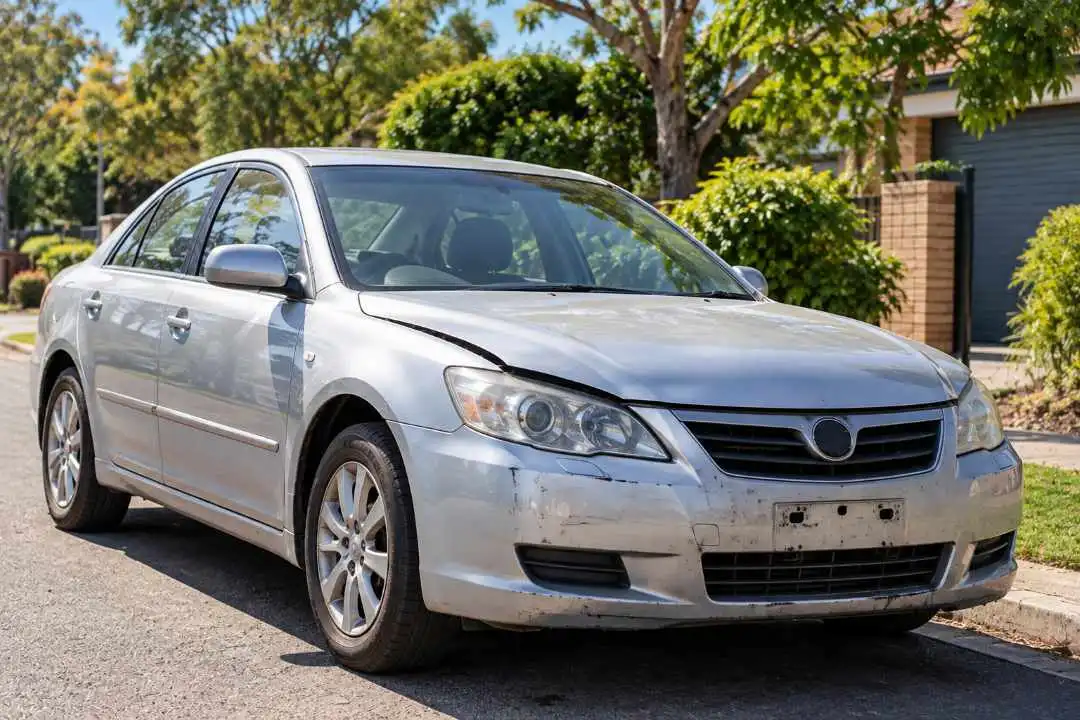
Selling a car without current registration can feel more complicated than selling an ordinary used vehicle. The car may still have value, but you need to understand its condition, ownership documents, registration status and how it can be legally moved.
If you are searching for how to sell an unregistered car in NSW, start by confirming why the vehicle is unregistered and whether it has been damaged, written off or simply left unused after its registration expired. A car removal service can also be useful when the vehicle cannot be driven or you do not want to spend money getting it back on the road.
The selling process becomes much easier when you know what information to provide, which selling option suits the vehicle and what paperwork needs to be handled after the sale.
Can You Sell an Unregistered Car?
Yes, an unregistered car can still be sold. However, the fact that it is unregistered needs to be made clear to the buyer, and the vehicle cannot simply be driven on public roads as though it were registered.
The reason for the unregistered status also matters. A car with expired registration may have a different path from a vehicle that has been seriously damaged or formally recorded as written off.
Why is the car unregistered?
First, determine why the registration is no longer current. It may have expired because it was not renewed, or the vehicle may have had its registration cancelled following an accident or another event.
Knowing the reason helps you understand what type of buyer is likely to be interested. It also prevents you from describing a vehicle as an ordinary unregistered car when it actually has additional restrictions.
Can the car still have value?
Yes. An unregistered vehicle can still have value based on its make, model, age, condition, parts, mechanical components and overall demand.
A car does not necessarily need current registration to be worth selling. However, the absence of registration may affect what a buyer is willing to pay because they may need to arrange inspections, repairs, registration or transportation.
What Should You Do Before Selling an Unregistered Car?
Before advertising the vehicle or contacting buyers, gather the information needed to explain exactly what you are selling. This can save time and reduce misunderstandings during negotiations.
Check the vehicle’s condition
Look at the overall condition rather than focusing only on registration. Check whether the engine starts, whether the vehicle has mechanical faults, whether there is accident damage and whether important components are still present.
Take clear photographs of the exterior, interior, engine bay, wheels and any visible damage. Honest photographs can help attract buyers who are genuinely interested in the vehicle’s current condition.
Gather your documents
Having your documents ready can make the transaction easier. Useful information may include:
- Proof that you are entitled to sell the vehicle
- Vehicle identification number (VIN)
- Registration information, if available
- Service or repair records
- Purchase documents
- Information about outstanding finance
- Details of previous accident or insurance damage
If there is finance owing on the vehicle, deal with that issue before completing the sale or clearly establish how it will be handled.
Confirm whether the vehicle is written off
Do not assume that an unregistered car is automatically a written-off vehicle. Written-off status is a separate matter and can create significant restrictions on how the vehicle can be used or re-registered.
A written-off light vehicle is recorded on the Written-Off Light Vehicles Register, and the rules for buying and selling it are different from those applying to an ordinary unregistered vehicle.
How to Sell an Unregistered Car in NSW
Once you understand the vehicle’s condition and status, you can choose a selling method that suits the car. The right option depends on whether it is roadworthy, repairable, damaged or mainly valuable for its parts.
Sell privately
A private sale may work when the vehicle is still in reasonable condition and has a realistic market value. You can advertise the car, provide photographs and explain that it is unregistered.
Be clear about what the buyer will need to do after purchase. If the vehicle needs repairs or registration work, explain this before agreeing on a price rather than leaving the buyer to discover problems later.
Sell to a vehicle removal company
For cars that are damaged, unwanted or difficult to move, selling directly to a removal or recycling business can be more convenient. This can be particularly useful when arranging transport yourself would add extra expense or effort.
A removal service may assess the vehicle based on its condition, parts and recycling potential rather than treating registration as the only factor that determines its value.
Choose the option based on vehicle condition
There is no single selling method that works for every unregistered car. Consider the vehicle’s condition, expected repair costs and how much time you want to spend finding a buyer.
| Vehicle situation | Selling option to consider | Main consideration |
|---|---|---|
| Good condition but unregistered | Private sale | Buyer may need to arrange registration |
| Minor mechanical problems | Private or specialist buyer | Compare repair costs with expected value |
| Major accident damage | Damaged vehicle buyer | Explain all visible damage |
| Serious mechanical failure | Removal or specialist buyer | Vehicle may need transport |
| Written-off vehicle | Parts or scrap buyer | Specific restrictions apply |
| End-of-life vehicle | Vehicle recycler | Parts and scrap value may determine price |
How Much Is an Unregistered Car Worth?
There is no fixed price for an unregistered vehicle. Its value depends on several factors, including its age, make, model, mileage, condition and demand for usable components.
Registration status can also influence the amount a buyer is prepared to offer because the buyer may need to spend additional money before the vehicle can be used normally.
Factors that can affect the value
Consider:
- Vehicle make and model
- Age and kilometres
- Engine and transmission condition
- Body and interior condition
- Tyres and wheels
- Accident history
- Availability of replacement parts
- Repair costs
- Written-off status
A newer car with a manageable problem may retain considerable value, while an older vehicle with extensive damage may be worth more for its components than as a complete road vehicle.
Should you repair it first?
Repairing an unregistered car before selling is not always financially worthwhile. If the repair bill is high, spending money on the vehicle may not produce enough additional selling value to justify the expense.
Get a realistic idea of repair costs before making a decision. If the vehicle has multiple faults or major accident damage, selling it in its current condition may be more practical.
Selling a Damaged or Accident-Affected Car
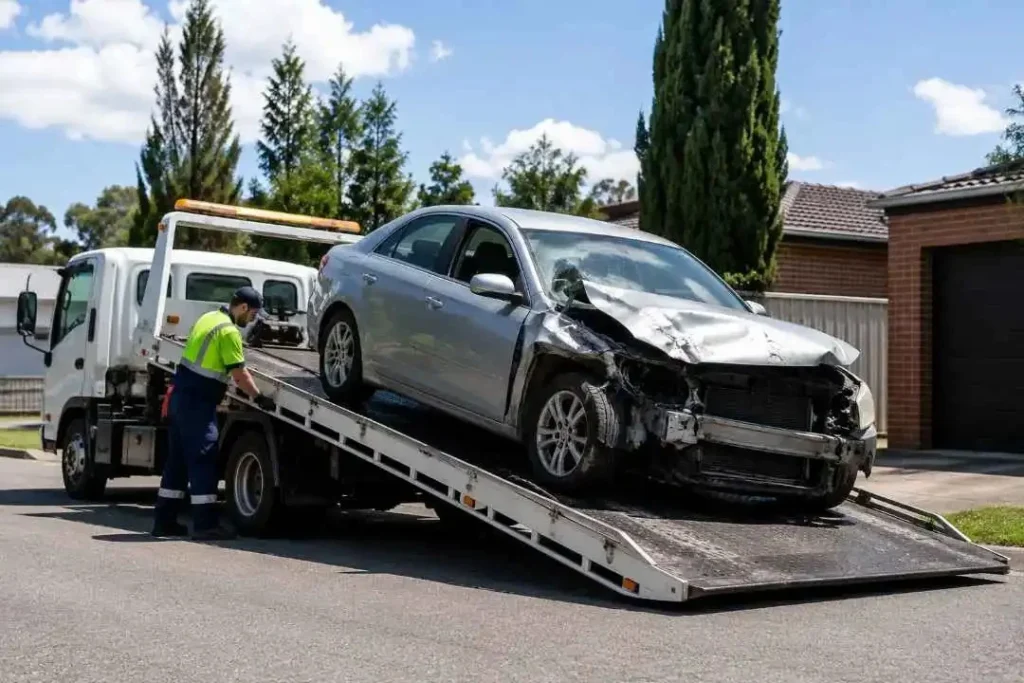
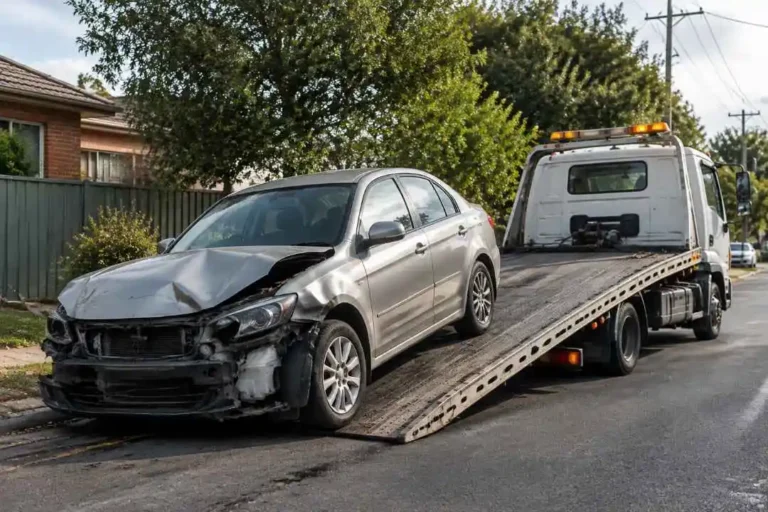
Accident damage can make a vehicle harder to sell through traditional channels, particularly when the car cannot be safely driven or requires major repairs.
If your vehicle has substantial body or mechanical damage, damaged car removal can be an option when repairing it is not economical. Be transparent about the damage so the buyer can assess the vehicle properly.
What damage should you disclose?
Describe significant problems clearly, including:
- Engine or transmission faults
- Structural damage
- Flood or water damage
- Missing parts
- Damaged airbags
- Major body damage
- Electrical problems
Clear information helps avoid disagreements and ensures that buyers understand the condition before arranging an inspection or collection.
What if the car has been written off?
A written-off vehicle requires additional care because it may have restrictions that do not apply to an ordinary unregistered vehicle.
Current guidance states that written-off light vehicles generally cannot be re-registered, except in limited circumstances. They can still be bought and sold, but generally for parts or scrap metal unless the vehicle qualifies for an applicable re-registration pathway.
If the vehicle is being sold because it has reached the end of its useful life, scrap car removal may be an appropriate option. Make sure the buyer understands the vehicle’s written-off status and intended use.
How Do You Transport an Unregistered Car?
An unregistered vehicle should not simply be driven away by the buyer. If it cannot legally be driven, arrange appropriate transportation instead.
Arrange safe vehicle collection
Towing or vehicle transport can be particularly useful when the car has no current registration, cannot pass the required checks or has mechanical damage that makes driving unsafe.
Before collection, provide accurate information about the vehicle’s location, condition and accessibility. If the car is parked in a tight driveway, underground garage or another restricted area, mention this before arranging pickup.
Do not take unnecessary risks
Trying to drive an unregistered or unsafe vehicle to save on transport costs can create additional problems. It is better to confirm the legal requirements and arrange suitable transportation when the vehicle cannot legally or safely be driven.
What Paperwork Should You Complete After the Sale?
Keeping proper records is an important part of the selling process. The documents you need can depend on whether the vehicle is currently registered, written off or being sold to a recycler.
Keep a written record of the transaction
Record the buyer’s details, vehicle information, sale date and agreed price. Keep copies of relevant documents and messages associated with the transaction.
NSW Government guidance also recommends that sellers keep proof they are entitled to sell the vehicle and complete the required disposal process where applicable.
Understand the notice of disposal
For a vehicle that is registered at the time of sale, the seller must lodge a Notice of Disposal. Current guidance states that this should be done within 14 days, while submitting it immediately after the sale can help protect the seller from future fines or charges associated with the vehicle.
The process differs for certain written-off vehicles and vehicles sold to wreckers. For example, current Service NSW guidance says that a Notice of Disposal is required when a vehicle with number plates is sold to a wrecker, while different cancellation requirements apply when a written-off vehicle or a vehicle without number plates is disposed of.
Common Mistakes to Avoid When Selling an Unregistered Car
A few simple mistakes can make the selling process more difficult. Being transparent and preparing your documents before advertising can prevent many unnecessary problems.
Avoid hiding important vehicle problems
Do not describe a damaged or mechanically faulty vehicle as being in good working order. Buyers need accurate information to decide whether the vehicle is suitable for them.
Do not assume registration status tells the whole story
An unregistered car may simply have expired registration, but it could also have serious mechanical, accident or written-off issues. Confirm the vehicle’s status before deciding how to sell it.
Do not spend heavily on repairs without calculating the return
Repairing an older vehicle can sometimes cost more than the additional value you receive when selling it. Compare likely repair costs with realistic market value before committing to major work.
Do not forget the paperwork
Keep copies of the sale agreement, receipts and relevant vehicle information. Completing the correct disposal or cancellation process is just as important as receiving payment.
Check the Latest Vehicle Selling Requirements
The rules surrounding vehicle registration, disposal and written-off vehicles can change, so it is sensible to confirm the latest requirements before completing a sale. For current guidance on selling a vehicle, disposal responsibilities and related requirements, see the NSW Government selling a used car guide.