How Does Car Removal Work? A Complete Guide for Sydney Vehicle Owners
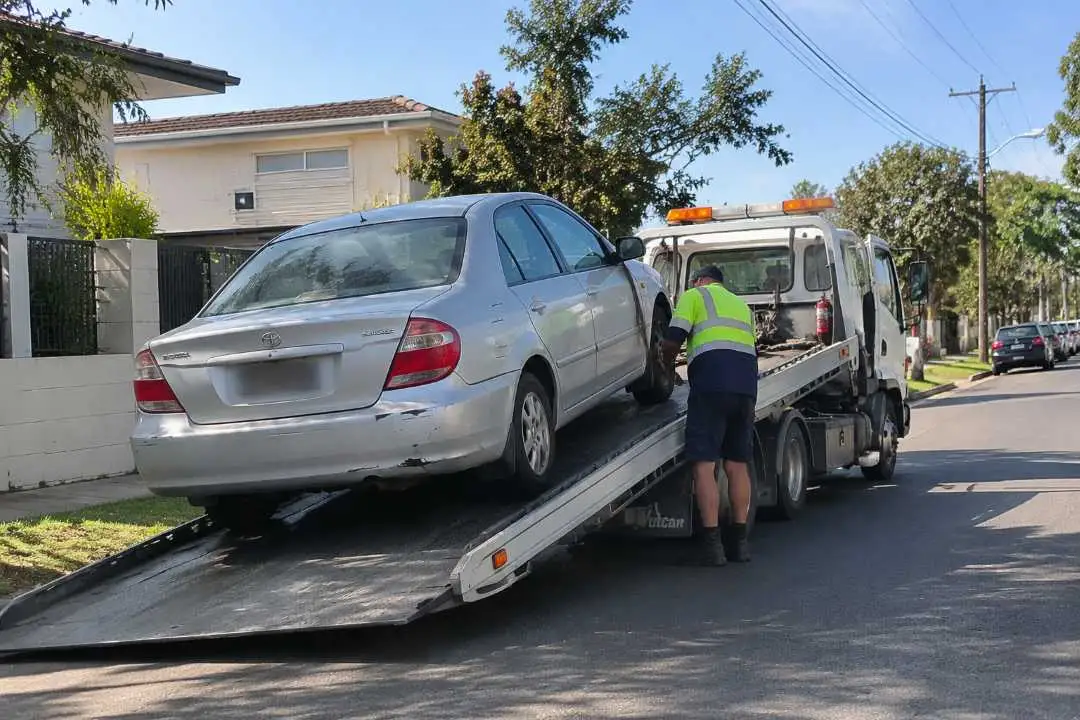
An unwanted car can quickly become more than an inconvenience. It takes up driveway space, needs registration or maintenance decisions, and leaves you wondering how to dispose of it properly. So, how does car removal work? In most cases it is far simpler than a private sale: you send the details, receive a quote, book a pickup time and hand the car over.
A professional service such as AH Car Removal services Greater Sydney and collects unwanted vehicles that are old, damaged, unregistered, non-running or no longer practical to keep. Knowing the car removal process beforehand helps you prepare the vehicle, organise your paperwork and know what to expect on collection day.
How Does Car Removal Work From Start to Finish?
The car removal process has four main stages: you send the vehicle details and photos, receive a quote, book a pickup time, then hand the car over with your photo ID and proof of ownership. Details can vary with the car’s condition and where it is parked.
You do not need to prepare the car as though you were selling it privately. Accurate information and a little basic preparation, however, make collection much smoother.
Step 1: Send Your Vehicle Details and Photos
Start by telling us about the car through the quote form, by phone or by WhatsApp. Accurate details and a few photos show what is being collected and what type of truck or equipment is needed.
You may be asked for:
- Vehicle make and model
- Manufacturing year
- Overall condition
- Registration status
- Pickup suburb
- Whether it starts, rolls and steers
- Any major accident or mechanical damage
- A few clear photos of the car
Be upfront about serious damage or difficult access. A car with locked wheels in an underground car park, for example, needs different planning from a running car on an open driveway.
Step 2: Receive Your Quote and Confirm Payment
Once the details and photos have been checked, you receive a quote for the vehicle. The payment method is confirmed when the quote is given, so you know how payment will be made before you agree to anything.
Make, model, age, condition, completeness and pickup location can all shape the offer. Accurate details reduce the chance of surprises when the car is checked at collection. If your car still has real resale value, our page on cash for cars in Sydney explains how selling it works.
Step 3: Book a Pickup Time That Suits You
If you accept the quote, the next step is booking the collection. Pickup is free, and the time is arranged to suit you, depending on your location and truck availability. You confirm the exact pickup address at this stage.
Mention any access restrictions when you book. Narrow driveways, apartment parking, low-clearance areas, busy streets or cars parked behind other vehicles all affect how collection is handled.
Step 4: Show Your ID and Hand Over the Car
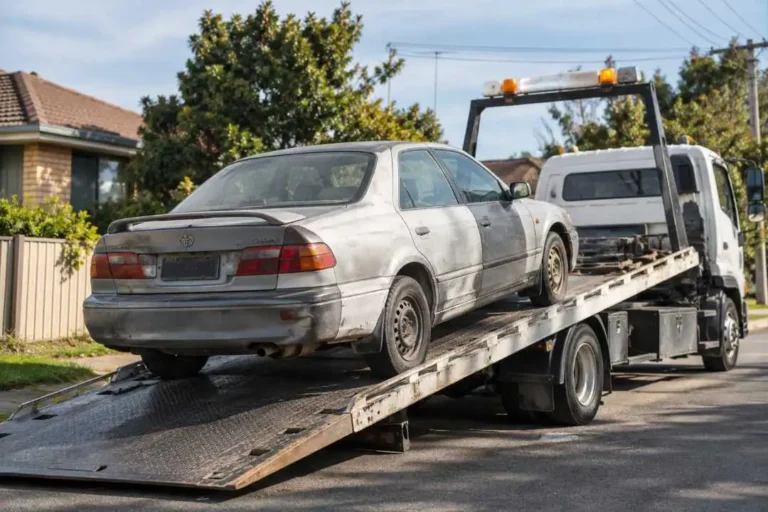
On the day, the driver checks the car against the details you provided. You will generally need photo ID and proof of ownership before the handover is completed. The car is then loaded using equipment suited to its condition.
Once it is secured on the truck, the car leaves your property and moves to the next stage: assessment and recycling.
What Types of Cars Can Be Removed?
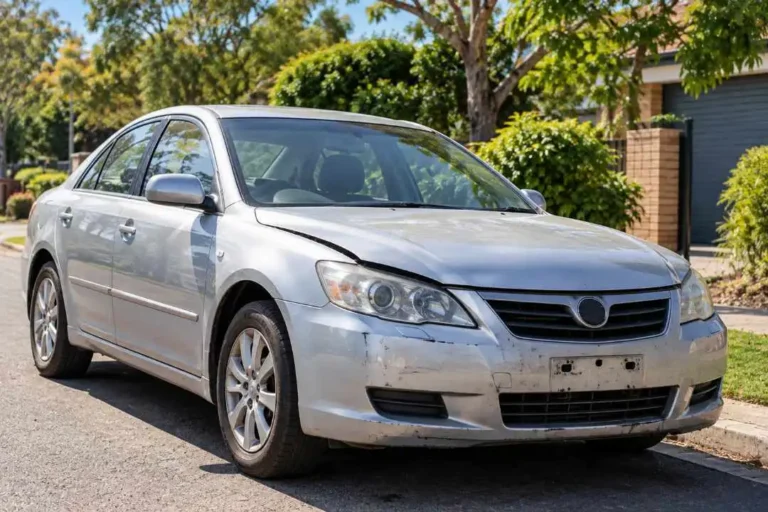
A car does not need to be running or in good condition to be removed. We collect cars, SUVs, 4WDs, utes and vans, many of them removed because repairing, advertising or storing them is no longer worthwhile.
The vehicle’s condition also affects how collection is organised.
Old and End-of-Life Cars
Older cars become harder to maintain as repairs add up and replacement parts become harder to justify. Some owners have simply upgraded and no longer need the older car.
If the vehicle has reached the end of its practical life, scrap car removal is a practical alternative to leaving it unused indefinitely.
Accident and Damaged Vehicles
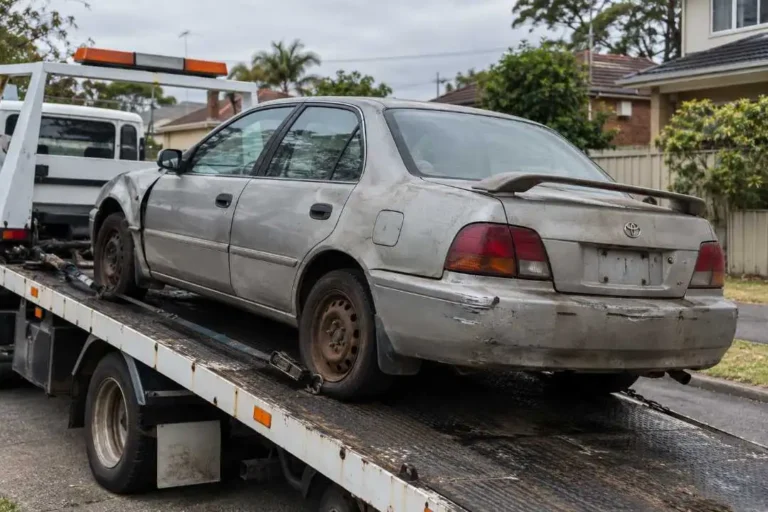
Cars with collision damage can be hard to move, particularly when the tyres, steering, suspension or bodywork are affected. They may be unsafe to drive even if the engine still starts.
A damaged car removal service collects the car where it is, so you do not have to drive an unsafe or badly damaged vehicle anywhere.
Flood-Affected Vehicles
Floodwater can damage electrical components, interior materials and mechanical systems in ways that are not immediately visible. A flood-affected car is not necessarily safe just because it still starts.
A flood damaged car removal service is a sensible option once you have decided not to keep the affected vehicle.
How to Prepare a Car for Removal
You generally do not need to clean or repair a car before removal. The most useful preparation is removing your belongings, having your ID and ownership papers ready, and making the car easy to reach.
A few minutes checking the car before collection can stop personal items or important documents from leaving with it.
Remove Your Personal Belongings
Cars collect belongings in places owners rarely check. Once the car has been collected, getting forgotten items back can be difficult.
Check areas such as:
- Glove box
- Centre console
- Door pockets
- Boot
- Under the seats
- Seat-back pockets
- Sunglasses holders
- Child-seat storage areas
Also remove toll tags, garage remotes, charging cables and any accessories that belong to you rather than the car.
Have Your ID and Proof of Ownership Ready
You will generally need photo ID and proof of ownership, such as registration papers or the purchase receipt. Requirements can depend on the circumstances, so confirm what is needed when you receive your quote.
Do not leave this until the truck arrives. Sorting out missing paperwork beforehand keeps the handover simple.
Remove Your Number Plates When Required
Registration and number-plate requirements depend on the relevant state or territory rules and the vehicle’s circumstances. Do not assume that transferring the physical vehicle automatically completes every registration-related obligation.
In NSW, check the current requirements with Service NSW, including plate return and deregistration, when disposing of a registered vehicle. This helps you complete the steps that apply to your situation.
Make the Vehicle Accessible
Tell us exactly where the car is parked and whether anything is in the way. If practical, clear enough space for the truck and equipment to approach safely.
Be particularly clear if the vehicle is:
- Inside a garage
- In basement parking
- Behind a locked gate
- On soft ground
- Missing wheels
- Unable to roll
- Parked on a steep driveway
- Positioned in a tight access area
These details let the right equipment be sent for the real conditions, rather than access problems being discovered on arrival.
What Affects the Car Removal Process?
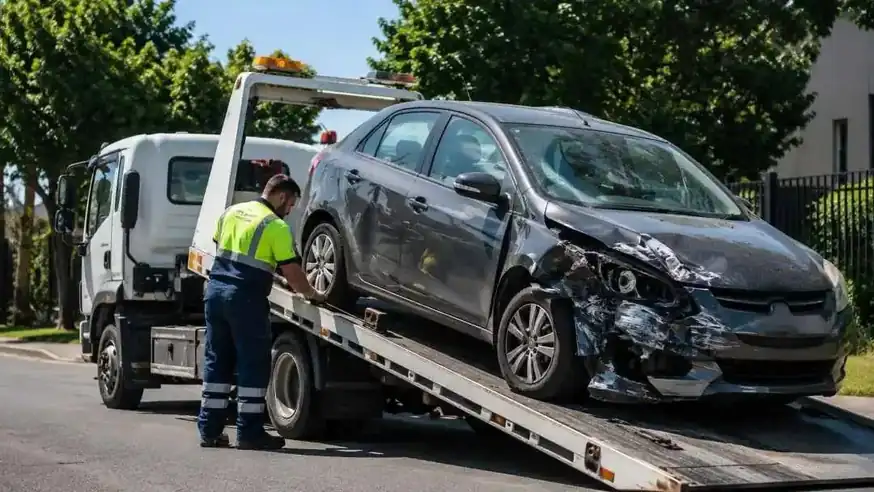
No two collections are identical. The car’s condition, location and access all influence the equipment and preparation required.
The table below gives a simple overview.
| Situation | What to tell the removal provider | Why it matters |
|---|---|---|
| Running vehicle | Confirm that it starts and drives | May simplify positioning |
| Non-running car | Explain the known fault | Helps plan loading |
| Accident damage | Describe damaged wheels/bodywork | Different loading may be required |
| Missing wheels | Specify which wheels are missing | Additional equipment may be necessary |
| Underground parking | Provide clearance and access details | Tow-truck access may be restricted |
| Unregistered vehicle | Explain registration status | Helps clarify handover requirements |
| Flood damage | Describe known water exposure | Helps establish vehicle condition |
| Tight driveway | Explain available access | Allows collection to be planned properly |
Sharing these details when you request a quote reduces delays and makes the collection more predictable.
What Happens to a Car After Removal?
What happens next depends on the car’s condition and age, and on which parts and materials can still be recovered.
Generally, the car is assessed for reusable parts, and the remaining materials are separated for recycling.
Assessment and Dismantling
After collection, an end-of-life car is checked to see which components still have value or a practical use. Reusable parts are separated from materials headed for further processing.
Every car is different, so not every component will be recoverable.
Recovering Useful Materials
Cars contain large amounts of metal, as well as plastics, glass and rubber. Proper processing allows these materials to be separated rather than treating the whole vehicle as general waste.
Vehicle recycling is therefore more than crushing an unwanted car. Fluids, components and different materials each need appropriate handling during dismantling.
Managing Fluids and Other Components
End-of-life cars may still hold engine oil, coolant, brake fluid and fuel. Batteries and some other components also need careful handling.
This is one reason responsible disposal matters. These materials should not be abandoned or thrown out with ordinary household waste.
Should You Repair, Sell Privately or Remove the Car?
Car removal is not the right choice for every unwanted vehicle. A roadworthy car with good resale value may suit a private sale, and our guide on how to sell an unwanted car in Sydney compares the options. A minor fault may justify repair.
The decision changes when the car needs extensive work, cannot be driven or is of little practical use to you.
When Repair May Make Sense
Repair may be worth it when the fault is minor and the car otherwise meets your needs. Weigh the likely repairs against the car’s overall condition and how long you plan to keep it.
A mechanical inspection helps when you are unsure whether a problem is minor or the start of bigger repairs.
When Removal Becomes Practical
Removal makes more sense when the car has severe damage, major mechanical problems or has sat unused for a long time. If it is simply cluttering your property, junk car removal clears it as it is.
Rather than paying for repairs just to make the car saleable, you can have it removed in its current condition.
Avoid These Common Mistakes Before Collection
Knowing how car removal works also means knowing what can complicate it. Most avoidable problems come from inaccurate details, forgotten belongings or access issues nobody mentioned.
Before collection, check that the details you gave still match the car’s current condition.
Common mistakes include:
- Forgetting personal belongings inside the car
- Providing an incorrect pickup address
- Not mentioning missing wheels
- Forgetting to explain restricted access
- Giving inaccurate vehicle-condition details
- Leaving ID, ownership or registration questions until collection
- Assuming a non-running vehicle can be loaded like a running car
A quick check before your scheduled collection can prevent many of these issues.
How Long Does the Car Removal Process Take?
Timing depends on truck availability, your location, the vehicle and how complex the collection is. A simple pickup from an open driveway needs less preparation than recovering a badly damaged car from a restricted space.
When you get a free quote, give complete details rather than focusing only on the earliest appointment. Good preparation makes the pickup itself smoother once the truck arrives.
NSW Requirements to Consider Before Disposing of a Vehicle
Collecting a car and completing the registration or ownership steps are separate processes. Depending on whether the vehicle is registered, sold, disposed of or transferred, different requirements may apply before and after removal.
Keep a record of the handover and confirm your responsibilities to avoid issues later. For NSW vehicle owners, the vehicle registration information provided by Service NSW explains important requirements related to managing vehicle details, transfers and registration matters.